Top Trends in Product Packaging Paper for 2025 You Must Know
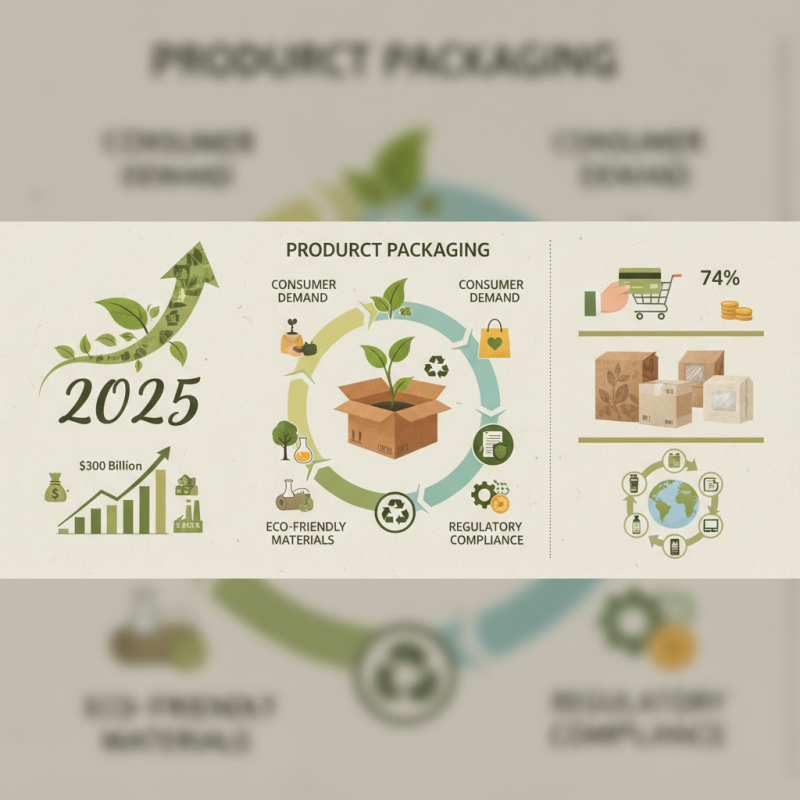
As we approach 2025, the landscape of product packaging paper is poised for significant transformation, driven by environmental concerns and evolving consumer demands. According to a recent report by Smithers Pira, the global market for packaging paper is expected to surpass $300 billion, indicating that sustainable practices are no longer just an option but a necessity within the industry. The shift towards eco-friendly materials is underscored by a growing preference among consumers for recyclable and biodegradable packaging solutions, reflecting a broader commitment to sustainability.
In response to this trend, manufacturers are innovating with various materials and designs aimed at reducing environmental impact. Research shows that 74% of consumers are willing to pay more for packaging that is recyclable or made from sustainable materials. This has resulted in an increased focus on the development of product packaging paper that meets regulatory requirements and consumer expectations alike. As we delve into the top trends in product packaging paper for 2025, it becomes crucial to understand how these shifts will influence not only the materials utilized but also the overall aesthetic and functionality of packaging solutions across multiple sectors.
Emerging Sustainable Materials in Product Packaging Paper for 2025
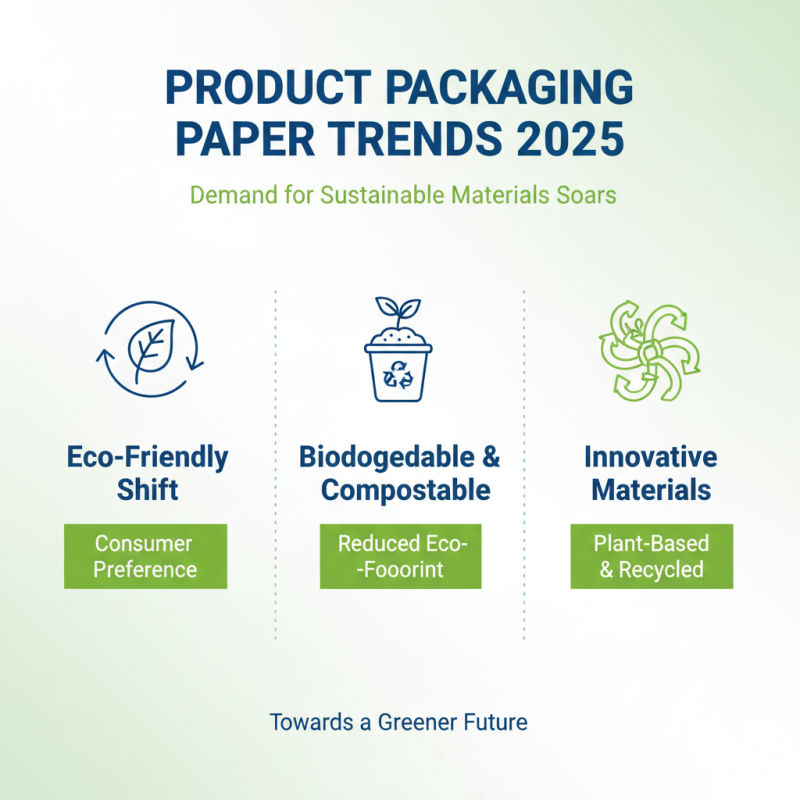
As we progress towards 2025, the demand for sustainable materials in product packaging paper is set to rise dramatically. This shift is driven by increased awareness of environmental issues and a growing consumer preference for eco-friendly options. One notable trend is the use of biodegradable and compostable materials, which are gaining popularity among manufacturers seeking to reduce their ecological footprint. Innovative developments in plant-based fibers and recycled content are paving the way for packaging solutions that not only meet functional requirements but also align with sustainable practices.
Additionally, alternative sources such as agricultural waste and by-products are emerging as viable materials for packaging paper. These alternatives not only minimize waste but also contribute to a circular economy by repurposing materials that would otherwise be discarded. The integration of hemp, bamboo, and other fast-growing plants into packaging paper is becoming more common, offering a renewable resource that can help fulfill sustainability goals. As brands increasingly adopt these materials, the packaging landscape will transform, focusing on reducing environmental impacts while still providing effective protection for products.
Innovative Design Trends Shaping Paper Packaging Aesthetics
In 2025, the world of product packaging paper is set to undergo a transformative shift, driven by innovative design trends that emphasize sustainability and aesthetics. One significant trend is the rise of minimalist design, which seeks to simplify packaging through clean lines and a focused color palette. This approach not only enhances visual appeal but also conveys a message of transparency and authenticity—qualities that resonate deeply with environmentally conscious consumers. As brands move away from excessive ornamentation, the emphasis will be on the intrinsic beauty of the materials themselves, highlighting textures, natural hues, and subtle finishes that reflect a product's eco-friendly credentials.
Another exciting trend on the horizon is the integration of interactive elements into paper packaging. This encompasses designs that encourage engagement, such as foldable structures or QR codes that lead to experiential online content. By creating an immersive experience, brands can foster a deeper connection with consumers, turning packaging from a mere container into an integral part of the product narrative. Furthermore, the use of augmented reality (AR) elements can also enhance aesthetic appeal, allowing consumers to visualize the product in various contexts, thereby enriching their overall experience. These innovative approaches signify a shift toward packaging that not only looks good but also serves a functional purpose, positioning it as a crucial component of modern product strategy.
Technological Advances Enhancing Durability and Functionality in Packaging
In 2025, the paper packaging industry is expected to undergo significant transformations driven by technological advances that enhance the durability and functionality of packaging solutions. According to recent market research, the global demand for sustainable packaging is projected to reach USD 500 billion, with a substantial portion attributed to innovations in paper-based materials. These advancements not only improve the physical properties of packaging but also align with environmental sustainability goals, making them highly desirable in a market increasingly focused on eco-friendliness.
One of the key technologies propelling this market forward is the development of barrier coatings. These advanced coatings can significantly improve moisture and grease resistance, making paper packaging suitable for a wider range of products, including liquids and greasy or oily foods. The implementation of nanotechnology in these coatings is further optimizing their performance, allowing for thinner layers that do not compromise the strength or integrity of the paper. Reports indicate that the usage of such enhanced packaging materials can reduce waste by up to 30%, a critical factor as consumers demand more sustainable choices.
Additionally, smart packaging technologies are emerging, integrating sensors and QR codes that improve functionality and traceability. By providing real-time data about the product's condition and origin, manufacturers can ensure quality and freshness while also engaging consumers in ways that traditional packaging cannot. With data projecting the smart packaging market to reach USD 43 billion by 2027, the integration of these technologies into paper packaging could revolutionize the sector, creating new opportunities for brands to connect with their customers while enhancing product security and longevity.
Top Trends in Product Packaging Paper for 2025
Consumer Preferences Driving Changes in Eco-Friendly Packaging Solutions
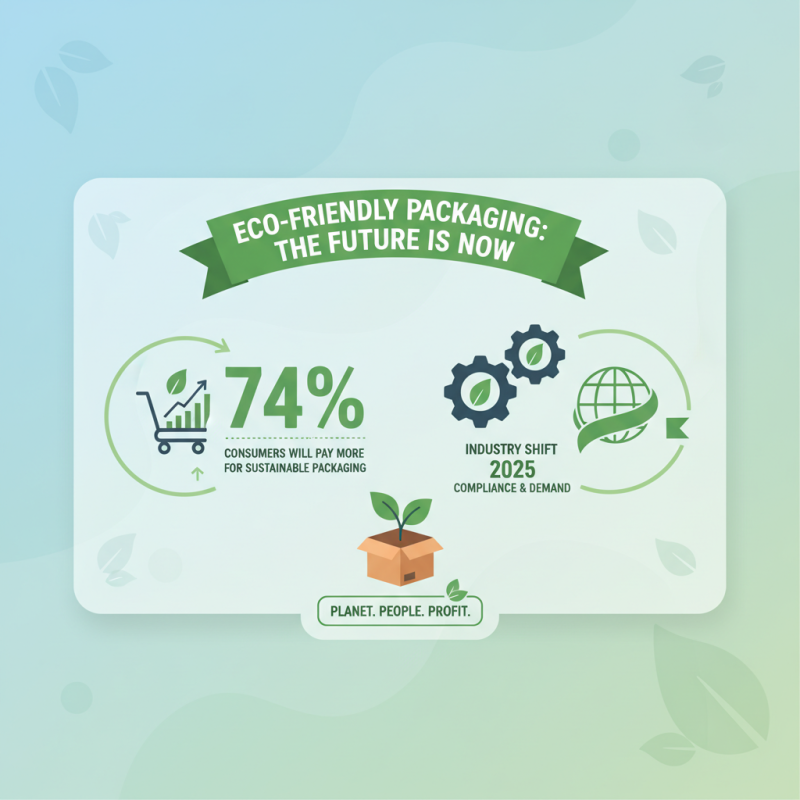
As we approach 2025, the shift towards eco-friendly packaging solutions is more pronounced than ever, driven primarily by consumer preferences. A recent industry report highlights that 74% of consumers are willing to pay more for sustainable packaging, a significant increase compared to previous years. This rising consciousness is reshaping the packaging landscape, pushing companies to adopt practices that not only satisfy consumer demands but also align with environmental standards.
The integration of recyclable and biodegradable materials, such as paper sourced from sustainable forests, is becoming a staple in product packaging. According to a study by Smithers Pira, the global market for sustainable packaging is expected to reach $600 billion by 2024, emphasizing the critical role that eco-friendly solutions play in modern packaging strategies. This trend is not just about aesthetics; it's about responsibility. Consumers are increasingly scrutinizing the environmental impact of their purchases, leading brands to innovate in their packaging designs to enhance both functionality and sustainability.
Tips:
1. Consider using minimalistic designs that require less material without compromising product protection.
2. Explore innovative materials like mushroom packaging or recycled paper that align with sustainability goals.
3. Engage consumers in your packaging choices; transparency about sourcing and materials can enhance brand loyalty and trust.
In this evolving market, brands that prioritize eco-friendly packaging not only meet consumer expectations but also contribute positively to the planet, making sustainable practices a central element of their business strategy.
Regulatory Influences on Packaging Paper Practices by 2025
As we approach 2025, regulatory influences are poised to shape the landscape of packaging paper practices significantly. Governments and environmental agencies worldwide are implementing stricter regulations focused on sustainability and waste reduction. These regulations are aiming to minimize the environmental footprint of packaging materials, encouraging manufacturers to adopt eco-friendly practices. The rise of legislation demanding recyclable and biodegradable packaging solutions is pushing companies to reconsider their sourcing and production methods. As a result, firms are increasingly investing in research and development to create innovative packaging materials that meet these evolving regulatory demands.
In addition to environmental considerations, health and safety regulations surrounding packaging paper are becoming more stringent. Authorities are emphasizing the need for materials that are safe for food contact and free from harmful substances. This regulatory pressure is leading to a surge in transparency and traceability in the supply chain, compelling manufacturers to provide clear information about the materials used in their products. Consequently, the demand for certified sustainable packaging paper is on the rise, as consumers become more conscientious about their purchasing choices. As these regulatory influences take effect, the packaging industry must adapt to ensure compliance while still meeting consumers’ needs for quality and safety.
Top Trends in Product Packaging Paper for 2025 You Must Know
| Trend |
Description |
Regulatory Influence |
Projected Impact (%) |
| Sustainable Sourcing |
Increased focus on sustainable materials in packaging. |
Regulations on deforestation and sourcing practices. |
30% |
| Recyclable Materials |
Shift towards using fully recyclable packaging materials. |
Policies mandating recycling protocols. |
25% |
| Minimalistic Design |
Emphasis on simplicity in packaging design. |
Regulations on label information and clarity. |
20% |
| Smart Packaging |
Integration of technology for tracking and user engagement. |
Standards for electronic components in packaging. |
15% |
| Customizable Packaging |
More brands offering personalized packaging options. |
Laws on consumer rights and transparency. |
10% |