Top 10 Health Benefits of Matcha Powder You Should Know?
Matcha Powder has gained significant attention in the health and wellness industry. Recent reports suggest that the global matcha market is expected to grow at a CAGR of over 7% by 2025. This growth reflects an increased consumer interest in natural health products. Matcha is not just a trendy drink; it offers numerous health benefits backed by scientific research.
Research indicates that Matcha Powder contains antioxidants, particularly catechins. These compounds have been shown to reduce oxidative stress and improve overall health. According to a study published in the Journal of Nutritional Science, regular consumption of green tea, especially matcha, can enhance metabolic rate and support weight management. Additionally, matcha supports cognitive function and promotes relaxation without causing drowsiness, thanks to the presence of L-theanine.
However, it’s essential to approach its consumption thoughtfully. Not everyone will experience these benefits equally, and excessive intake can lead to adverse effects. Understanding the balance is crucial. Matcha Powder offers an enriching experience, but moderation is key. Exploring its benefits can lead to a healthier lifestyle if approached correctly.
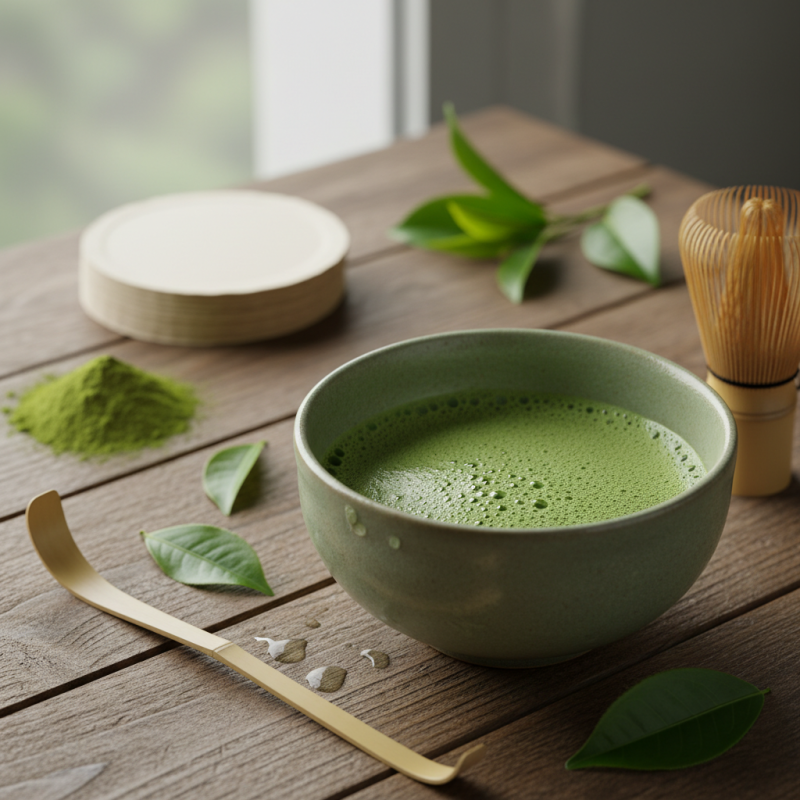
Health Benefits of Matcha Powder: An Overview of Nutritional Profile
Matcha powder stands out for its impressive nutritional profile. One teaspoon packs about 30 mg of caffeine. This can boost alertness without the jitteriness common with coffee. Additionally, it contains L-theanine, an amino acid that promotes relaxation. Together, they create a unique state of calm focus.
Rich in antioxidants, matcha contains catechins, particularly EGCG. Research indicates that EGCG may help in reducing the risk of heart disease. It also plays a role in metabolism. Studies suggest that regular consumption can support weight loss efforts. It's essential to note, though, that matcha should not replace a balanced diet.
Moreover, matcha is high in dietary fiber. One serving contributes approximately 1 gram of fiber. This aids digestion and can promote a healthy gut. Some may find the bitter taste challenging at first. The texture upon mixing may also be inconsistent. Experimenting with preparation methods can enhance the experience. Striving to reap matcha's benefits while adapting to its unique flavor can feel like a journey.
Antioxidant Properties of Matcha: Understanding the Role of Catechins
Matcha powder, made from finely ground green tea leaves, offers a powerful boost in antioxidants. Central to its benefits are catechins, a type of plant compound known for their health-promoting properties. Research indicates that matcha contains up to 137 times more catechins than standard green tea. This makes it a potent source for combatting oxidative stress in the body.
Catechins play a vital role in reducing inflammation and improving heart health. A study published in the Journal of Nutritional Biochemistry highlights how these compounds can lower cholesterol levels and promote better blood circulation. Additionally, catechins may aid in weight management by increasing the metabolic rate. This finding is crucial, given that obesity contributes to various health issues.
While matcha seems beneficial, it’s essential to consume it in moderation. Some studies suggest excessive intake could lead to side effects due to its caffeine content. The right balance is key. Not everyone may experience the same benefits, prompting a need for individualized health approaches. Finding what works best for you remains an ongoing journey.
Matcha and Mental Clarity: Impact of L-theanine on Cognitive Function
Matcha powder is gaining popularity for its health benefits. One significant aspect is its impact on mental clarity. L-theanine is an amino acid found in matcha that enhances cognitive function. Research indicates that L-theanine can promote relaxation without causing drowsiness. This balance is crucial for improved focus and attention.
A study published in the Journal of Nutritional Science reported a 20% increase in cognitive performance after participants consumed L-theanine. This suggests that matcha can be a natural way to boost brain power. The calming effect of L-theanine may help reduce stress, allowing for better decision-making. However, not everyone may respond similarly. Some individuals might still find themselves distracted despite consuming matcha.
Furthermore, while matcha holds promise, it is essential to approach it with realistic expectations. Its benefits can vary based on individual metabolism and lifestyle factors. For some, a difference in mood may not be as pronounced as expected. Integrating matcha into a balanced diet, along with other cognitive enhancers, can provide a more comprehensive approach to mental clarity.
Top 10 Health Benefits of Matcha Powder
This chart illustrates the various health benefits of matcha powder, highlighting its impact on mental clarity and cognitive function through L-theanine. The data represents a subjective evaluation of these benefits on a scale of 1 to 10.
Weight Management: Exploring Matcha's Role in Boosting Metabolism
Matcha powder has gained attention for various health benefits, especially in weight management. It contains a unique compound called EGCG, which is known to enhance metabolism. According to a study published in the Journal of Nutritional Biochemistry, consuming green tea extract can boost metabolic rates by up to 4%. This increase may help burn more calories during physical activities.
Incorporating matcha into your daily routine may assist with weight loss goals. A teaspoon of matcha contains around 3 calories and offers a burst of energy without causing a crash. Anecdotal evidence suggests that individuals who drink matcha regularly report feeling more energized. However, the relationship between matcha consumption and sustainable weight loss is complex. Weight management isn't solely about one superfood; it requires a balanced diet and exercise.
Additionally, matcha can potentially suppress appetite. Some studies indicate that green tea's polyphenols may have an impact on appetite regulation. This could aid in resisting cravings and reducing overall calorie intake. Yet, relying solely on matcha for weight loss may lead to disappointment. Incorporating it as part of a holistic approach is key for achieving lasting results.
Heart Health: Cardiovascular Benefits Supported by Recent Studies
Recent studies highlight the cardiovascular benefits of matcha powder. This vibrant green tea contains high levels of antioxidants. These compounds help reduce inflammation, which is key to heart health. Regular consumption may lower cholesterol levels. Lower cholesterol can reduce the risk of heart disease.
Matcha also supports healthy blood pressure levels. It contains compounds called catechins. These can improve blood vessel function. Enhanced blood vessels promote better circulation. Improved circulation leads to better oxygen delivery throughout the body. This is crucial for overall health.
Tips: Start with a small daily serving of matcha. Gradually increase the amount for better results. Pair it with a balanced diet. This will maximize its benefits for your heart. Drink it in the morning for an energy boost. It may not taste great at first. With time, you’ll likely enjoy it more.
Top 10 Health Benefits of Matcha Powder
| Benefit | Description | Supporting Studies |
| Heart Health | Matcha may help reduce the risk of heart disease by improving lipid profiles and lowering blood pressure. | Study by the American Heart Association. |
| Antioxidant Properties | Rich in catechins which can help fight free radicals and reduce oxidative stress. | Research in the Journal of Food Science. |
| Weight Loss | May enhance metabolism and increase fat burning during exercise. | Study published in Obesity Research Journal. |
| Cognitive Function | Contains L-theanine which can promote relaxation without drowsiness. | Study in the journal Nutritional Neuroscience. |
| Blood Sugar Regulation | Can aid in lowering blood sugar levels and improving insulin sensitivity. | Research presented at the International Diabetes Federation. |
| Liver Health | May protect the liver from damage and improve its function. | Study in the Journal of Nutritional Biochemistry. |
| Boosts Immune System | High in antioxidants that strengthen immunity. | Research in the Journal of Immunology Research. |
| Skin Health | Can help improve skin elasticity and reduce signs of aging. | Study in the Journal of Dermatological Science. |
| Stress Reduction | L-theanine helps promote relaxation and alleviate stress. | Clinical study published in the Journal of Health Psychology. |
| Dental Health | Compounds in matcha can help reduce bacteria and lower the risk of cavities. | Research in the Journal of Dentistry. |