Top Tips for Sourcing Food with Paper Packaging Solutions?
As the food industry shifts towards sustainability, "food with paper" is gaining prominence. Renowned food packaging expert Dr. Emily Carter emphasizes, "Switching to paper packaging can reduce landfill waste significantly." Her insights highlight the potential benefits of using paper solutions in our food systems.
In recent years, many food producers have embraced paper packaging. This transition can enhance brand image and appeal to environmentally-conscious consumers. However, sourcing quality paper solutions is crucial. Not all paper is created equal, and finding the right suppliers can be challenging.
Exploring local partnerships might offer fresh opportunities. However, issues such as higher costs and limited supply can arise. These factors should not be overlooked. Additionally, regular assessments of packaging effectiveness are vital. Companies must remain adaptable in their sourcing strategies to thrive in a dynamic market focused on sustainability.
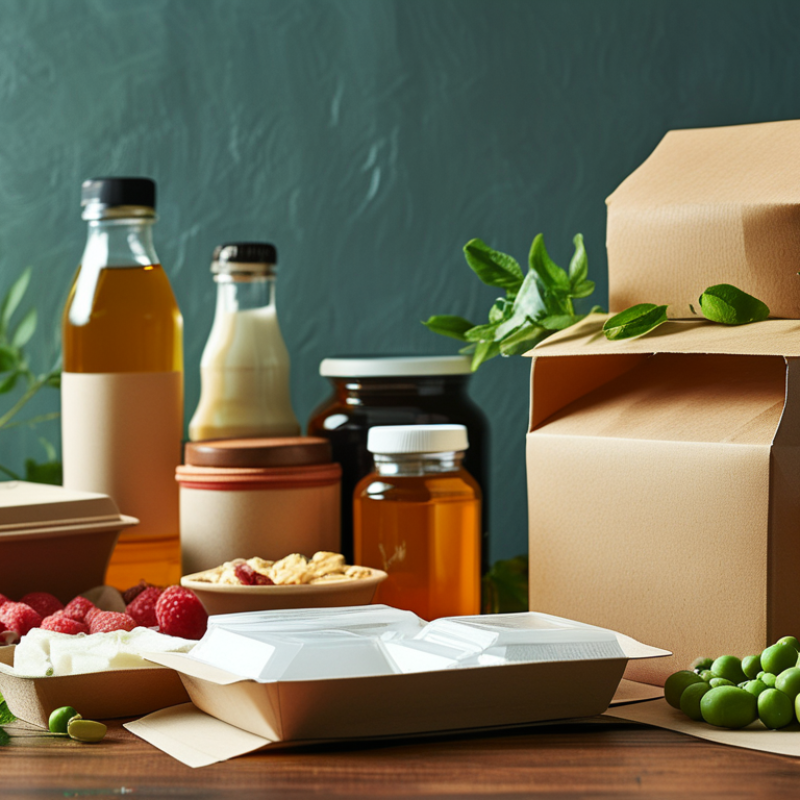
Understanding the Importance of Paper Packaging in Food Sourcing
Understanding the importance of paper packaging in food sourcing is crucial in today's market. A recent report revealed that the global paper packaging market is expected to reach $500 billion by 2025, driven largely by sustainability trends. As consumers increasingly prefer eco-friendly options, businesses must adapt to meet these demands. Paper packaging offers recyclability and reduces plastic waste. This can positively impact brand reputation and customer loyalty.
The food industry has observed a notable shift towards sustainable practices. According to a study, 74% of consumers are willing to pay more for sustainable packaging. Paper packaging not only lowers the environmental impact but also enhances product freshness. For example, paper can be easily printed with appealing designs, making it visually attractive. This is essential for capturing consumer attention in crowded markets.
However, there are challenges to consider. Not all paper packaging options provide the same level of protection. Some products may require additional barriers to maintain quality. Businesses must carefully evaluate their packaging materials to ensure they align with both safety standards and sustainability goals. Balancing aesthetics, functionality, and eco-friendliness can be complex. Continuous innovation and testing will be necessary to find the ideal solutions.
Evaluating Environmental Benefits of Paper Packaging Solutions
Choosing paper packaging for food products offers notable environmental advantages. One significant benefit is the biodegradability of paper. According to a report by the Paper and Paperboard Packaging Environmental Council, paper products can break down naturally in landfills within weeks, unlike plastics that persist for centuries. This trait aligns well with increasing global efforts to reduce landfill waste and promote sustainability.
In addition to biodegradability, paper packaging can be sourced from renewable resources. The Sustainable Forestry Initiative indicates that over 70% of paper used in packaging comes from sustainably managed forests. This contrasts sharply with petroleum-based packaging materials, which are derived from finite resources. Brands aiming for eco-friendliness can enhance their market reputation by leveraging this growing consumer awareness.
Despite these benefits, challenges remain. The carbon footprint of paper production is a concern. Reports suggest that while manufacturing paper emits less greenhouse gas than plastics, deforestation and water usage can offset some environmental gains. Companies should invest in technologies and practices that mitigate these impacts. Regular evaluations of the lifecycle of materials will also aid in understanding true ecological repercussions.
Exploring Different Types of Paper Packaging for Food Products
When sourcing food packaging, paper solutions are increasingly favored for their sustainability and versatility. Various types of paper packaging stand out in the food industry. These include kraft paper bags, corrugated boxes, and biodegradable wrappers. According to a 2022 report by Smithers Pira, the global market for paper packaging in food is expected to reach $12 billion by 2026. This growth underscores the increasing reliance on eco-friendly materials.
Kraft paper bags are popular for their strength and recyclability. They are often used for both dry and wet food products. Meanwhile, corrugated boxes provide excellent protection for items during shipping and storage. Research indicates that paper-based packaging reduces carbon emissions by up to 75% compared to plastic alternatives. However, sourcing the right type can be challenging. Not all paper types are created equal, and some may not sustain moisture or heat effectively.
Biodegradable wrappers are gaining traction, but they must be assessed for performance. The industry lacks a standardized metric for measuring the efficiency of these materials. This creates uncertainty for businesses looking to choose the best option. Furthermore, while many consumers prefer paper, packaging must also align with shelf-life and freshness requirements. Sourcing food with paper packaging requires careful consideration of both environmental impact and performance durability.
Top Tips for Sourcing Food with Paper Packaging Solutions
This bar chart illustrates the distribution of various paper packaging solutions used for food products, highlighting the importance of sustainable options in the market.
Best Practices for Sourcing Quality Paper Packaging Suppliers
When sourcing paper packaging suppliers, it’s essential to prioritize quality and sustainability. A reputable supplier should demonstrate a clear commitment to environmentally friendly materials. Look for certifications like FSC or PEFC, which indicate responsible sourcing practices. Engaging with suppliers who invest in environmentally sustainable technologies can also enhance the quality of your packaging.
To find reliable suppliers, start by researching industry trade shows and networking events. These venues provide direct access to potential partners, enabling you to assess their capabilities firsthand. Always ask for samples to evaluate the material quality. Consider their production capacity and lead times as well. Reflect on how their turnaround times align with your business needs.
Communication is key in the sourcing process. Clear expectations help avoid misunderstandings and ensure better outcomes. Don't hesitate to voice concerns or ask questions. It’s also worthwhile to establish a trial period, allowing you to evaluate a supplier’s performance before committing to a long-term partnership. Sometimes, challenges may arise, but refining your approach based on feedback can lead to improved collaboration in the long run.
Top Tips for Sourcing Food with Paper Packaging Solutions
| Tip Number |
Sourcing Tip |
Best Practice |
Key Consideration |
| 1 |
Research Suppliers |
Investigate supplier backgrounds and credentials. |
Ensure compliance with food safety regulations. |
| 2 |
Material Quality |
Choose biodegradable and recyclable materials. |
Evaluate performance in food preservation. |
| 3 |
Cost Analysis |
Get quotes from multiple suppliers. |
Consider total cost of ownership. |
| 4 |
Regulatory Compliance |
Confirm adherence to applicable regulations. |
Check for necessary certifications. |
| 5 |
Sustainability Practices |
Evaluate suppliers' sustainability measures. |
Ensure a commitment to eco-friendly processes. |
Integrating Paper Packaging into Sustainable Food Supply Chains
Integrating paper packaging into sustainable food supply chains requires careful attention to detail and a commitment to eco-friendliness. Paper packaging is biodegradable and recyclable, making it a preferred choice for environmentally conscious companies. Sourcing from certified suppliers ensures quality and minimizes environmental impact. However, it is essential to assess the entire lifecycle of the packaging. Are inks and coatings also sustainable? This evaluation influences the overall sustainability of the product.
Embracing transparency in sourcing processes helps build trust with consumers. Sharing information about how and where materials are sourced adds credibility. It is vital to engage with suppliers who follow ethical practices. Regular audits can uncover areas that need improvement. Even the smallest oversight can affect the sustainability of the food supply chain.
Investing in innovation can enhance the functionality of paper packaging. Research into moisture resistance and durability can lead to better preservation of food. Yet, integrating these solutions comes with its challenges. Companies may struggle with balancing cost and quality. Reflection on these difficulties is necessary for continuous improvement in sustainable practices.