What is Packaging Paper and Why Does It Matter?
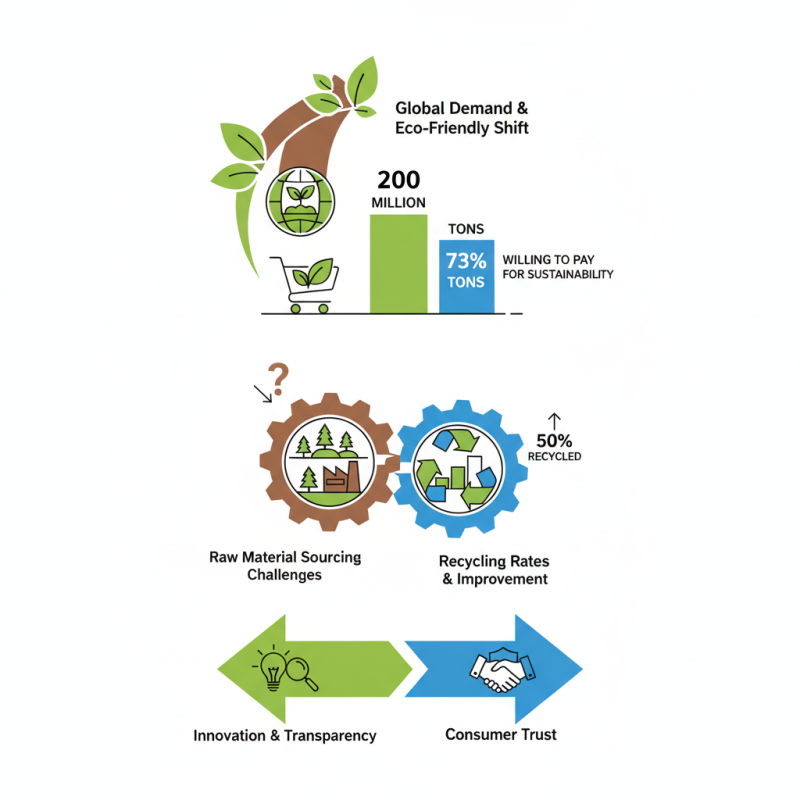
Packaging paper plays a crucial role in various industries. It is not just a simple wrapper for products; it is an essential component of branding and sustainability. According to a report by Smithers Pira, the global demand for packaging paper is expected to reach 200 million tons by 2024. This figure highlights its importance in the market.
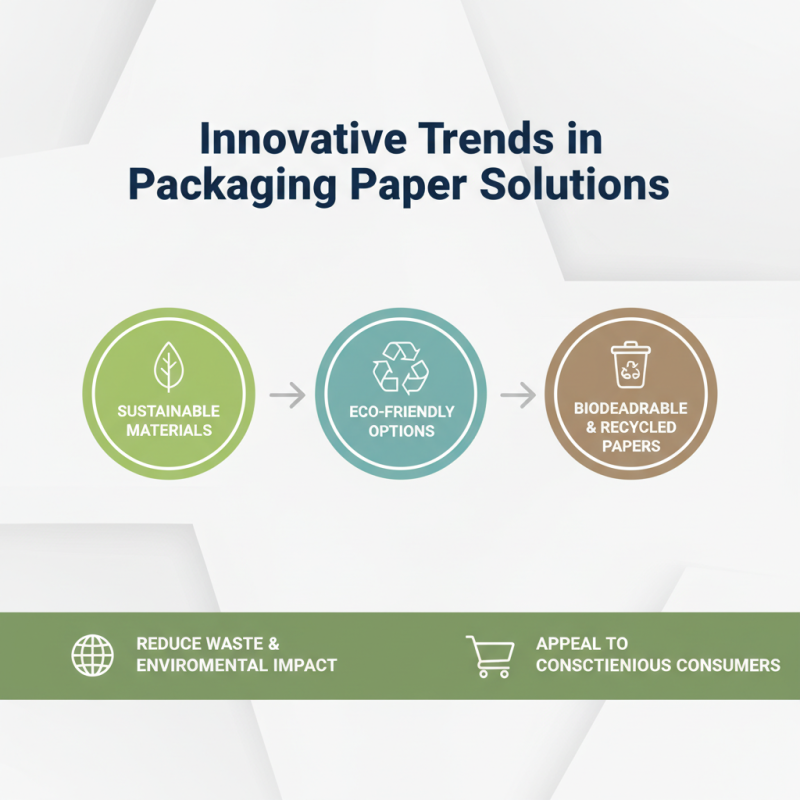
The shift towards eco-friendly materials drives this growth. Consumers today prefer sustainable packaging options. In fact, a survey by Nielsen shows that 73% of millennials are willing to pay more for sustainable products. Packaging paper meets this need, providing not only functionality but also environmental benefits. However, challenges remain in sourcing raw materials responsibly.
Despite its benefits, the industry faces scrutiny regarding the recycling rates of packaging paper. Recent statistics indicate that only 50% of used paper is recycled effectively. This creates room for improvement. Companies must address these issues to enhance their sustainability practices. The future of packaging paper lies in innovation and transparency. Moving forward, gaining consumer trust will be essential for success.
Definition and Types of Packaging Paper
Packaging paper plays a vital role in the world of logistics and product presentation. It serves various purposes, from protecting goods to enhancing visual appeal. Understanding its definition and types helps businesses choose the right materials for their needs.
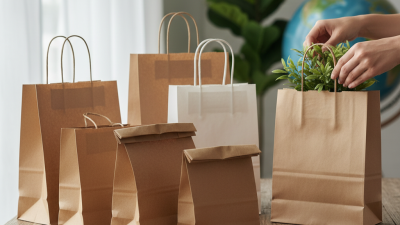
There are several types of packaging paper, each with unique characteristics. Kraft paper, for instance, is known for its strength and durability. It is often used for wrapping and bags. On the other hand, paperboard is sturdier and used for boxes and cartons. These materials are recyclable, promoting sustainability.
Tissue paper offers a delicate touch, ideal for wrapping gift items. While each type has its benefits, sometimes the choice may seem overwhelming. Businesses may struggle to find the right balance between cost and quality.
It's crucial to evaluate which type of packaging paper aligns with your brand's values and the expectations of your customers. Making informed decisions in sourcing packaging materials can enhance brand integrity and customer satisfaction.
Importance of Packaging Paper in Modern Industry
Packaging paper plays a crucial role in modern industry. It’s not just about protection; it’s also about branding and sustainability. The global packaging paper market was valued at approximately $200 billion in 2022. This number reflects a growing need for eco-friendly materials. More companies are shifting to recyclable packaging paper, demonstrating a commitment to sustainability.
The importance of packaging paper extends to consumer perceptions. A study by Smithers Pira found that 72% of consumers prefer brands using sustainable materials. This statistic highlights the direct link between packaging choices and brand loyalty. Packaging paper serves not only practical purposes but also acts as a communication tool. Packaging attracts attention and conveys a brand's values.
However, there are challenges. The rising demand for sustainable options can outpace production capabilities. The industry is still navigating the tension between quality and sustainability. Companies must rethink material sourcing and waste management. They should also focus on efficient production techniques. This evolving landscape presents both opportunities and hurdles. As the industry adapts, the impact of packaging paper will continue to grow.
Environmental Impact of Packaging Paper
The environmental impact of packaging paper is significant and multifaceted. According to a recent report from the Paper and Paperboard Packaging Environmental Council, packaging accounts for about 29% of all solid waste in landfills. This substantial percentage underscores the urgency of addressing waste produced by packaging materials.
Recycling can mitigate some of these issues. The American Forest & Paper Association states that nearly 70% of paper and paperboard products are recycled in the U.S. However, not all regions have equal access to recycling facilities. This gap results in increased waste and environmental strain in less serviced areas. The energy consumption to produce new paper products from raw materials is also high, leading to increased carbon emissions.
Sustainable sourcing is another critical topic. The World Wildlife Fund highlights that illegal logging contributes to environmental degradation and biodiversity loss. Paper production can lead to habitat destruction if not managed responsibly. Adopting sustainable practices in the paper industry is essential for long-term ecological health. Awareness and responsibility among consumers and businesses can drive change, but it's an ongoing challenge that requires collective action.
Future Prospects of Packaging Paper in Sustainability
The future of packaging paper lies significantly in sustainability. Consumers are more environmentally conscious than ever. They seek products that align with their values. This shift is prompting industries to adapt and innovate. Packaging paper offers a renewable alternative to plastic. It can be recycled and repurposed, reducing waste and landfill burden.
Innovations in this sector focus on alternative materials. Companies are exploring biodegradable options. This not only meets consumer demand but also complies with stricter regulations. However, critical challenges exist. The production process of packaging paper can still be resource-intensive. Moreover, the market for recycled paper fluctuates, affecting availability.
Moreover, some methods of production may not meet sustainable standards. Transparency in sourcing materials is crucial. Consumers want to know where their packaging comes from. Initiatives to certify sustainably made paper are important. The journey toward a truly sustainable packaging paper industry is complex. It requires collaboration and constant improvement.
What is Packaging Paper and Why Does It Matter? - Future Prospects of Packaging Paper in Sustainability
| Dimension |
Value |
| Global Packaging Paper Market Size (2022) |
$200 billion |
| Expected CAGR (2023-2030) |
4.5% |
| Percentage of Sustainable Packaging Paper |
65% |
| Recyclability Rate of Packaging Paper |
80% |
| Average Weight of Packaging Paper per Unit |
40 grams |
| Main Material Sources for Packaging Paper |
Recycled Fibers, Wood Pulp |
| Common Uses of Packaging Paper |
Food Packaging, Retail Bags, Boxes |