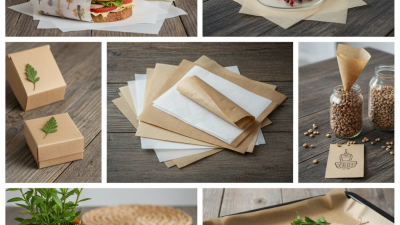
Why Choosing the Right Grocery Paper is Essential for Your Needs?
Choosing the right grocery paper is crucial for any grocery business. According to Sarah Johnson, a leading expert in sustainable packaging, "The choice of grocery paper can impact both customer satisfaction and the environment." Many grocery stores overlook the importance of selecting the right types of paper for their needs.
Quality grocery paper serves various purposes, from packaging to branding. It can enhance the shopping experience and reflect a store's commitment to sustainability. However, not all grocery paper options are created equal. Some papers are not environmentally friendly and can harm our planet. This negligence can lead to missed opportunities for stores aiming to attract eco-conscious customers.
Moreover, with the growing demand for biodegradable alternatives, grocery stores face pressure to innovate. Choosing the right grocery paper is not just about function. It also requires thoughtful consideration of consumer values and environmental impact. Stores might benefit from reevaluating their suppliers and understanding the broader implications of their choices.
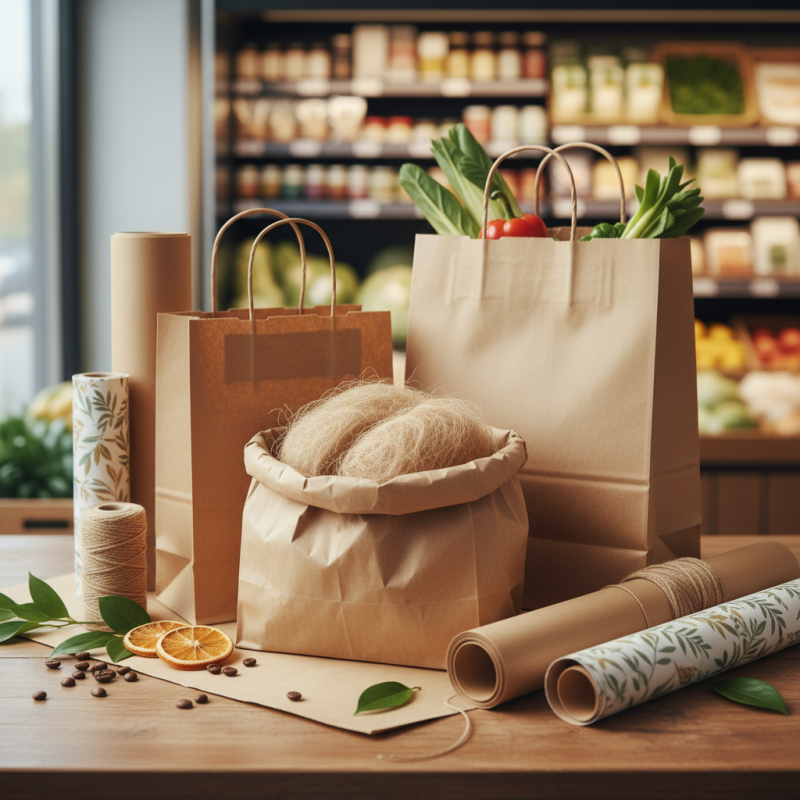
The Impact of Grocery Paper on Environmental Sustainability: A Statistical Overview
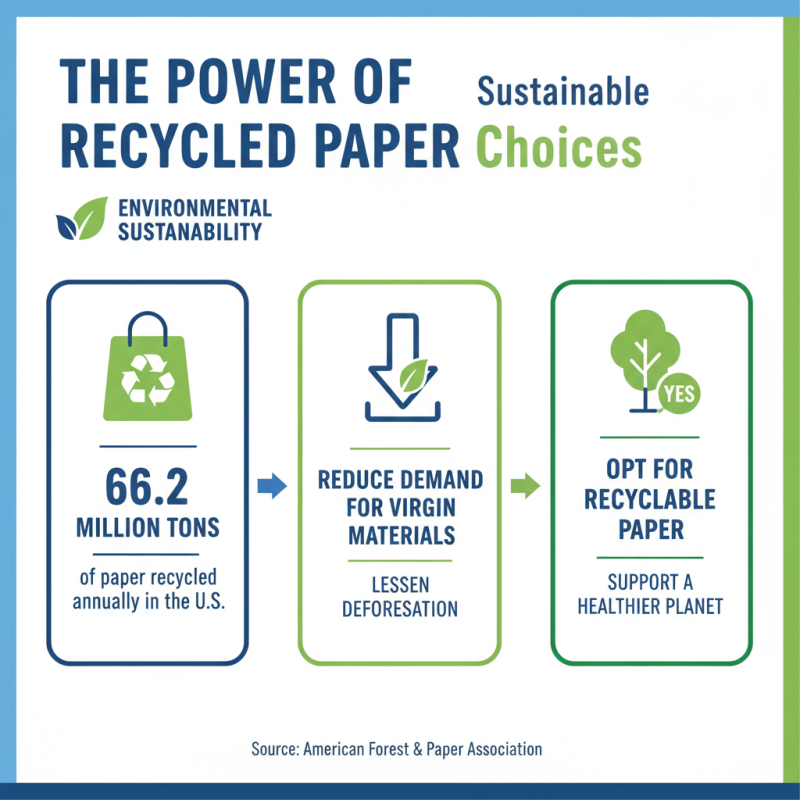
The choice of grocery paper significantly impacts environmental sustainability. According to the American Forest & Paper Association, around 66.2 million tons of paper are recycled each year. This statistic highlights the importance of opting for recyclable paper options. Using recycled paper can reduce the demand for virgin materials and lessen deforestation.
However, not all grocery papers contribute equally. A recent report indicated that biodegradable options of grocery bags can take up to six months to decompose, whereas traditional plastic bags remain in landfills for hundreds of years. Consumers often overlook these differences. They might choose convenience over sustainability, not realizing the implications.
Data from the Environmental Protection Agency shows that paper products represent nearly 25% of municipal solid waste. This statistic raises questions about waste management and consumer habits. Many grocery stores still rely heavily on plastic. While consumers are becoming more aware, the shift towards sustainable grocery paper remains slow. It is essential to reflect on personal choices and their broader environmental effects.
Understanding the Various Types of Grocery Paper: Pros and Cons in Usage
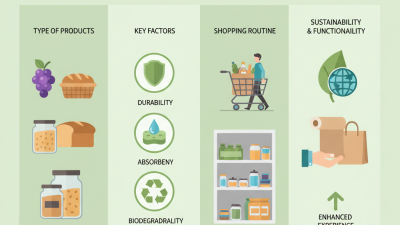
Choosing the right grocery paper involves understanding different types available. From waxed paper to butcher paper, each type has its unique benefits and drawbacks. Waxed paper is great for wrapping, but is not suitable for high temperatures. It’s moisture-resistant, making it ideal for cold items. But, it lacks durability and can tear easily.
Butcher paper offers sturdiness. It's excellent for wrapping meats and has a natural feel. However, it does require careful handling. It can absorb juices but may not hold up with very wet items. It’s a practical choice but can be a bit costly for everyday use.
Recyclable paper options are a concern for some shoppers. They are eco-friendly but sometimes lack the strength needed for heavy items. There is a balance to strike between sustainability and functionality. Evaluating the paper's purpose is crucial for effective grocery shopping. Making the right choice can enhance your shopping experience significantly.
Market Trends: Demand for Sustainable Grocery Paper Solutions in 2023
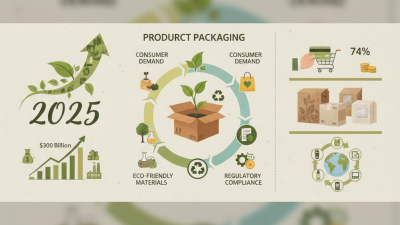
In 2023, many consumers are shifting towards sustainable grocery paper solutions. There is an increasing awareness about environmental issues. This has led to a rise in demand for eco-friendly packaging options. Shoppers are becoming more selective about their purchases. They seek products that contribute to a cleaner planet.
The market is responding to this trend. More companies are developing biodegradable and recyclable paper options. Many of these papers are made from renewable resources. They offer practical uses without harming the environment. Yet, not all sustainable options meet high-quality standards. Some papers may not be as sturdy or functional. This presents a challenge for both consumers and producers.
As people become more aware, the need for transparency grows. They want to know how products are made. There is also a desire to understand the lifecycle of grocery paper. Misleading claims can lead to distrust. Consumers want genuine sustainable solutions, not just marketing gimmicks. The call for better, more responsible choices is louder than ever.
Cost-Effectiveness of Different Grocery Paper Options: An Industry Analysis
When it comes to grocery paper options, cost-effectiveness is crucial. Different types of papers have varying costs and benefits. Some may seem cheaper at first glance, but hidden factors can affect overall value. For instance, thicker paper may cost more upfront but may offer better durability. This means fewer replacements in the long run, saving money and waste.
Consider the implications of using low-quality paper. It could tear easily or fail to hold wet items. Businesses must balance quality and cost. Low-cost options may lead to poor customer experiences. Customers notice when their groceries leak through flimsy bags. This can deter them from returning, ultimately hurting business profits.
A thorough analysis of your specific needs can reveal the best choice. Evaluate how much weight your paper needs to carry. Thin paper might work for light items but fail with heavier groceries. Reflect on usage patterns and customer feedback too. This information can help you decide, avoiding unwise investments in inferior products.
Cost-Effectiveness of Different Grocery Paper Options: An Industry Analysis
| Type of Grocery Paper |
Cost per Roll (USD) |
Sheet Size (inches) |
Sustainability Rating |
Durability Rating (1-10) |
| Kraft Paper |
$2.50 |
30 x 20 |
High |
8 |
| Recycled Paper |
$3.00 |
24 x 24 |
Very High |
7 |
| Bleached Paper |
$4.00 |
28 x 18 |
Medium |
6 |
| Compostable Paper |
$3.50 |
30 x 24 |
Very High |
9 |
How the Right Grocery Paper Affects Food Freshness and Safety: Key Insights
Choosing the right grocery paper can significantly impact food freshness and safety. The material used affects moisture retention and breathability. For instance, wax paper can be useful for wrapping cheese, as it allows airflow, preventing mold. Using the wrong paper may lead to spoilage or contamination.
Consider how different papers react to varying foods. For raw meat, using butcher paper is vital. It provides a barrier against bacteria while allowing for some airflow. Regular paper might trap moisture, creating an environment for pathogens. Yet, some people might overlook these details and risk their family's health.
Not all papers are created equal. Some might leach chemicals into food, especially with heat. It's crucial to check for safe materials. A hasty choice may save time at the store but could endanger your meals later. Do not ignore the packaging; it's as important as the food itself in preserving health and taste.
Impact of Grocery Paper Types on Food Freshness and Safety