How to Choose the Best Bakery Paper for Your Needs?
When choosing the right bakery paper, the options can be overwhelming. Bakery paper serves various purposes in the kitchen. Selecting the ideal type can enhance your baking experience.
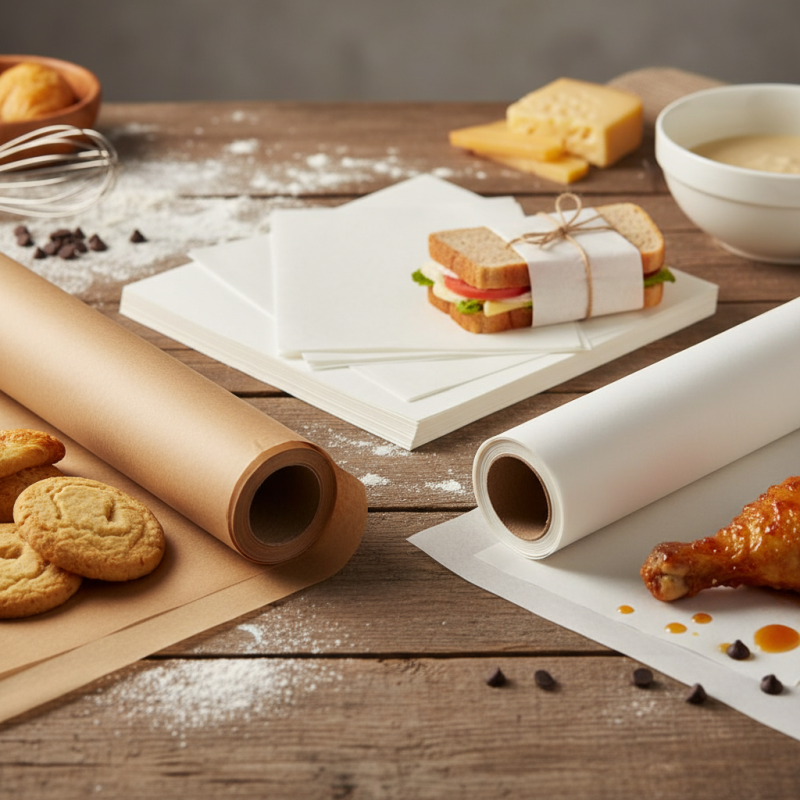
Several types of bakery paper include parchment, waxed, and greaseproof paper. Each serves a distinct function. Parchment paper can withstand high heat, perfect for cookies and pastries. Waxed paper, however, is not heat-resistant and is mainly for wrapping. Understanding these differences is crucial.
It's easy to overlook proper usage of bakery paper. Poor choices can lead to sticky messes or burnt treats. Reflect on your specific needs before making a purchase. Not every type suits every recipe. A thoughtful selection can improve your baking results significantly.
Understanding Different Types of Bakery Paper Available
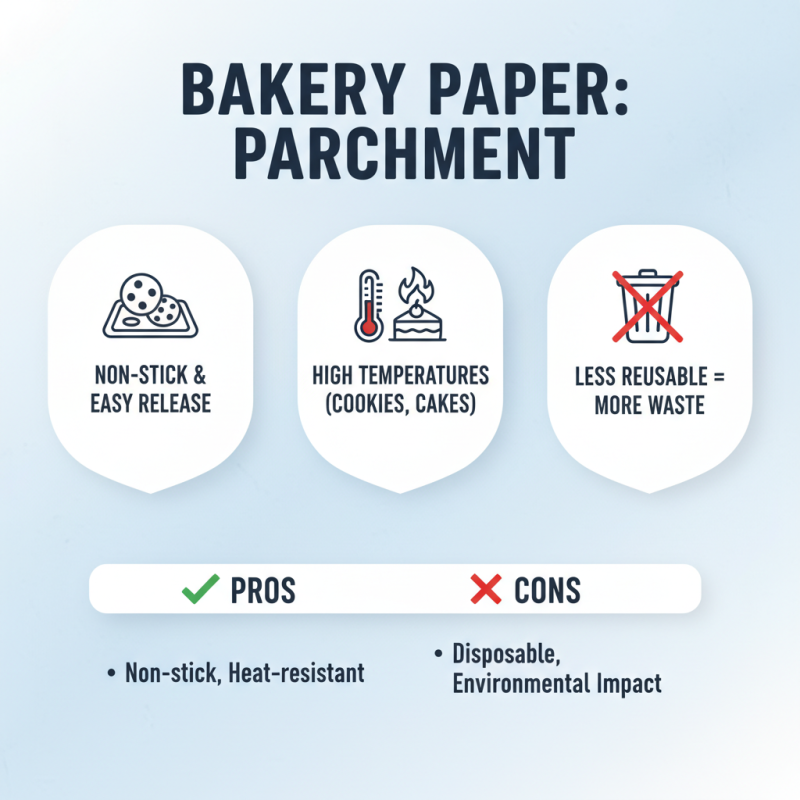
When it comes to bakery paper, various types cater to different baking needs. Parchment paper is a popular choice. It is non-stick, making it easy to remove baked goods. This paper can handle high temperatures, ideal for cookies and cakes. However, it’s not always reusable and could create more waste.
Greaseproof paper acts as a barrier against moisture and grease. This paper works well for wrapping. It's also perfect for items like pastries. While it may not survive high heat, its versatility adds value. Consider its thickness. Thinner varieties can tear easily, which is frustrating.
Another option is wax paper. It’s moisture-resistant and great for cold storage. But it’s not suitable for ovens. This limitation makes it less versatile. Sometimes, choosing the right paper isn’t straightforward. It often requires trial and error based on your specific baking process. Adjusting your choice for different recipes can be beneficial. The learning curve can be steep, but it’s part of the journey.
Evaluating the Specific Uses for Bakery Paper in Baking
When picking the right bakery paper, think about its specific uses in your baking projects. Some people may overlook how important this choice can be. Different types of bakery paper serve various functions - from lining pans to wrapping treats. It's essential to understand these uses to make an informed decision.
Tips: Consider the thickness and heat resistance of the paper. Thicker paper is often more durable, while heat-resistant options are great for baking. Experiment with various types to find what works best for you. Not all papers are created equal.
Also, think about how you store baked goods. Some papers help prevent moisture. Others may stick to your treats. It's good to test which kind does a better job. Reflect on your mistakes and successes. Each baking experience teaches more about the right materials. Don’t hesitate to adjust your choices based on what you learn.
Considering Food Safety and Sustainability in Bakery Paper Selection
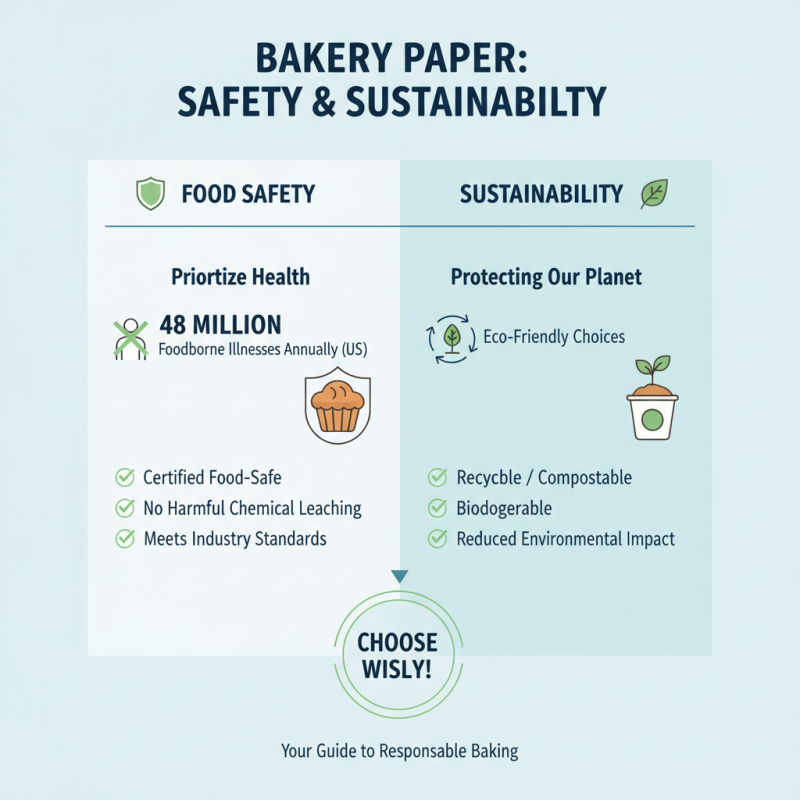
Choosing the right bakery paper is crucial for both food safety and sustainability. Food safety is paramount. According to industry reports, approximately 48 million people experience foodborne illnesses yearly in the U.S. Hence, selecting paper that meets safety standards is important. Look for options that are certified and specifically designed for food contact. This ensures that harmful chemicals do not leach into baked goods.
Sustainability is equally important today. The market for eco-friendly packaging is projected to grow by 5.7% annually. Consumers are increasingly seeking products that minimize environmental impact. Many bakery papers now use recycled materials or are biodegradable. However, not all claims are equal. It's vital to assess whether the paper meets third-party certifications, ensuring it truly adheres to sustainable practices.
Yet, there is a challenge. The balance between quality, cost, and safety can be complex. Some sustainable papers may not perform as well under high heat or moisture. This can lead to soggy bottoms or uneven baking. Therefore, bakers must reflect on their specific needs. Choosing the wrong paper can compromise not only the quality of baked goods but also customer satisfaction.
Choosing the Right Size and Thickness for Your Bakery Needs
Choosing the right size and thickness of bakery paper is crucial. Different baked goods require different types of paper. For instance, bread and pastries often benefit from thicker papers to withstand high moisture levels. A recent industry report noted that 70% of bakers prefer thicker paper to ensure durability and prevent tearing.
When selecting size, consider your baking pans. Standard sizes are often not a one-size-fits-all solution. Some bakeries report frustration when their parchment paper doesn’t fit perfectly. Custom sizes can be a worthwhile investment. A study cited that businesses optimizing their paper sizes increased efficiency by 25%. This is significant, especially in a fast-paced environment.
Thickness is another factor. Options range from lightweight to heavy-duty. While thin paper may suffice for cookies, heavy-duty parchment is crucial for roasting and baking heavier items. A baker’s trial and error can reveal much about the ideal thickness. Balancing your needs with available options sometimes leads to unexpected outcomes. Not all papers perform identically, and experimenting can help refine your choices.
Comparing Cost and Quality Among Bakery Paper Brands
When comparing cost and quality among bakery paper brands, it’s essential to evaluate different products carefully. Cheaper options may save money upfront but can lead to poor baking results. Quality matters when it comes to non-stick properties. Inferior papers may cause baked goods to stick, ruining textures and presentation.
Tips for selecting the right bakery paper include checking for grease resistance. Good bakery paper should withstand high temperatures without breaking down. This ensures your creations come out perfectly. Look for thickness as well; thinner paper can tear or burn, affecting your masterpiece.
It’s also useful to consider the environment. Some bakery papers are recyclable or compostable. Choosing a sustainable option may have a higher price tag. However, the investment could pay off in the long run. Remember, quality may sometimes come at an extra cost, but the benefits often justify the price. Balancing both cost and quality is key.