How to Choose the Right Custom Printing Paper for Your Projects?
Choosing the right custom printing paper can significantly impact the outcome of your projects. The global custom printing paper market is expected to reach $28 billion by 2025, highlighting its importance in various industries. Experts like John Marshall, a leading figure in the printing industry, emphasize, “The choice of paper can make or break your print project.”
Selecting the perfect custom printing paper involves numerous factors. You need to consider texture, weight, and finish. Each choice affects color reproduction and durability. A smooth, glossy finish may enhance graphic designs, while textured paper could add a classic touch.
However, the abundance of options can be overwhelming. Many people overlook the importance of sustainability. It's crucial to balance aesthetics with environmental responsibility. Reflecting on your choices can lead to better decision-making. Making informed decisions about custom printing paper can elevate your projects beyond expectations.
Understanding Different Types of Custom Printing Papers Available in the Market
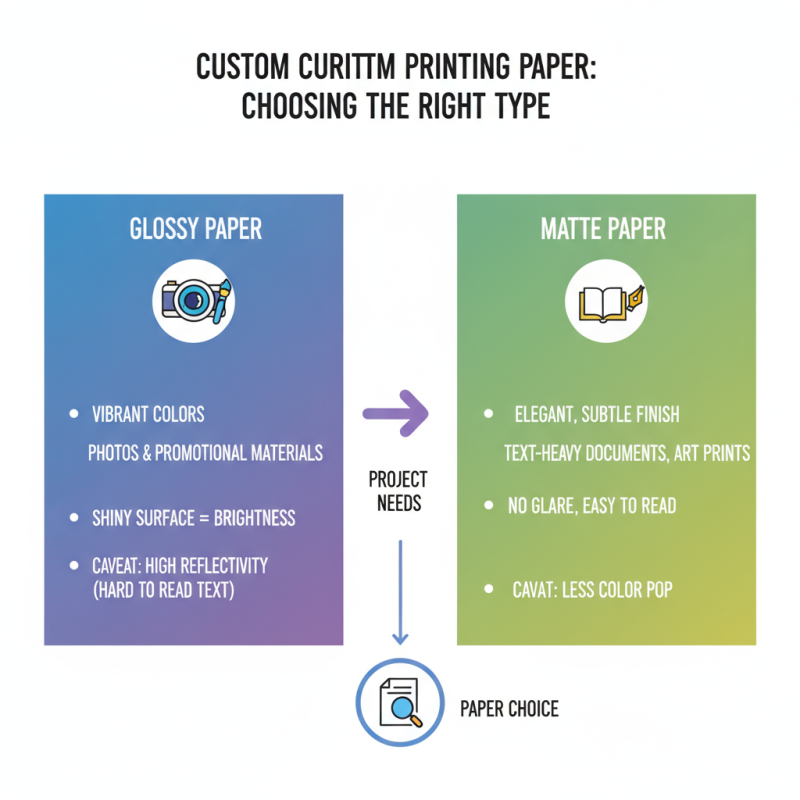
Choosing the right custom printing paper is essential for any project. There are many types available, each serving different purposes. For example, glossy paper offers vibrant colors, making it ideal for photos and promotional materials. Its shiny surface enhances brightness, catching the eye immediately. However, glossy paper can sometimes reflect too much light, making text hard to read.
On the other hand, matte paper provides a subtle finish. It’s great for professional documents or brochures where readability is crucial. It absorbs light instead of reflecting it. Yet, matte paper might not produce the same vividness for images compared to glossy finishes. You may notice that rich colors appear muted or less dynamic.
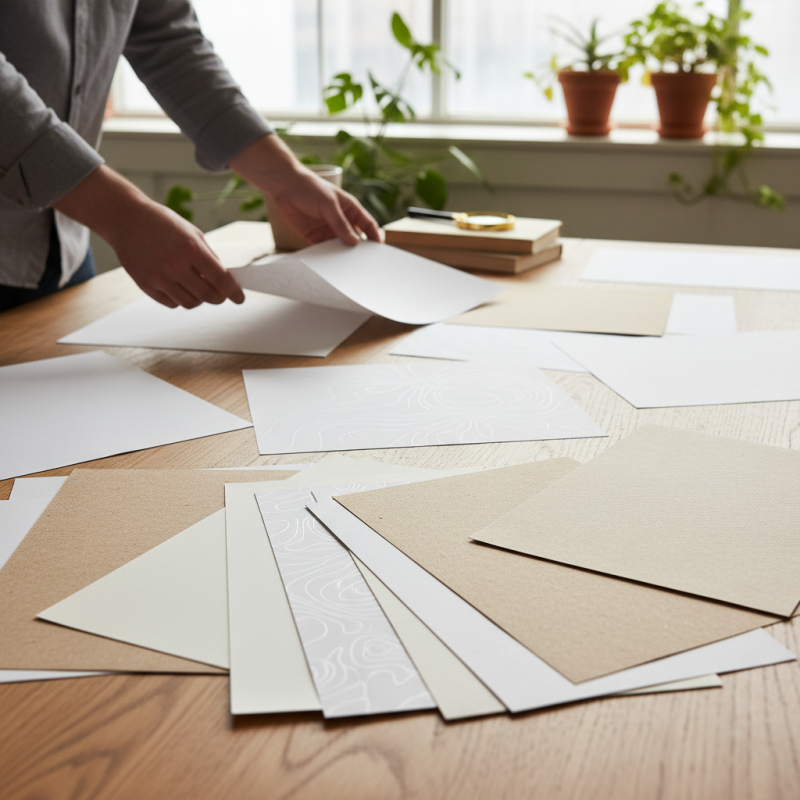
Another type to consider is textured paper. This adds a tactile quality and depth to your print projects. It works well for invitations and high-end prints. That said, textures can sometimes interfere with text clarity. The printing process may not always show details clearly, leading to unexpected results. Understanding these nuances can help you select the right paper for your specific needs.
Key Factors to Consider When Selecting Custom Printing Paper for Projects
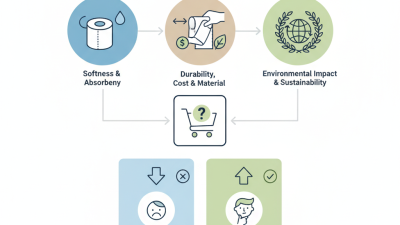
Choosing the right custom printing paper involves several key factors. The weight and thickness of the paper matter significantly. Heavier paper often feels more premium, while lighter options can save costs. It’s essential to consider the purpose of your project. Will it be used for brochures, business cards, or art prints? Each type demands different characteristics from the paper.
Texture is another important aspect. Rough surfaces can give a rustic feel, while smooth paper often enhances color vibrancy. Experimenting with finishes like matte or glossy is advisable; each will affect the look and feel of the final product. Don’t forget about color reproduction. Some papers absorb ink differently and can alter tones.
Environmental impact is worth considering. Some papers are more eco-friendly than others. Balancing your project needs with sustainability can be challenging. A personal touch may also be needed, so get samples before making a choice. Reflect on your specific needs to find the perfect match.
Custom Printing Paper Type Comparison
Evaluating Paper Weight and Thickness for Optimal Print Quality
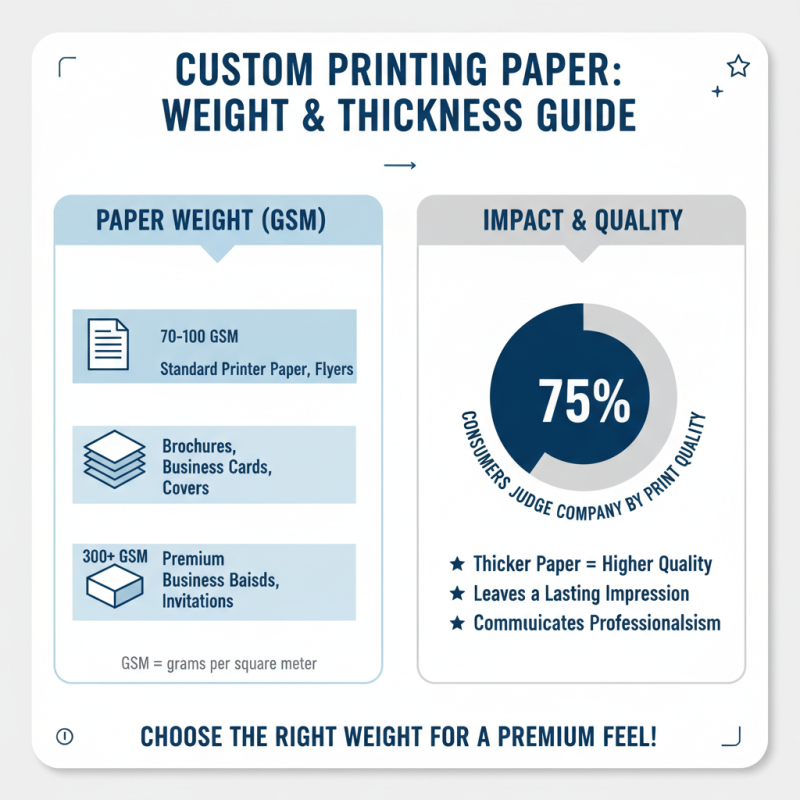
When selecting custom printing paper, paper weight and thickness play crucial roles. Paper weight is measured in grams per square meter (gsm). For example, typical printer paper ranges from 70 to 100 gsm. Heavier paper, around 200 gsm, is ideal for brochures and business cards. A study showed that 75% of consumers judge a company by the quality of printed materials. This indicates that thicker, higher-quality paper can leave a lasting impression.
Thickness, also referred to as caliper, impacts how various inks perform. Thicker paper absorbs ink differently, affecting color vibrancy. A report by the Printing Industries of America stated that improper paper thickness could lead to issues like smudging or bleeding. These mistakes undermine print quality and ruin the project's overall look.
Choosing the right paper can be daunting. Some projects may need reassurance on durability or texture. High-end projects often demand heavier stock, but can become too costly. Balancing quality with budget constraints is not straightforward. Misjudgments here can lead to extra expenses. Ultimately, evaluating projects carefully ensures that paper weight and thickness align with desired outcomes.
Environmental Considerations: Choosing Eco-Friendly Printing Papers
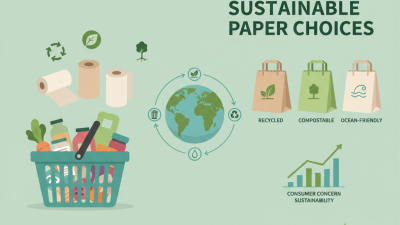
When selecting custom printing paper, environmental considerations play a crucial role. Eco-friendly papers can reduce carbon footprints significantly. According to a 2021 report from the Environmental Paper Network, recycled paper production uses up to 60% less energy than virgin paper. This energy saving can lead to a considerable decrease in greenhouse gas emissions.
Beyond energy usage, sourcing sustainable materials is vital. Papers certified by organizations like the Forest Stewardship Council (FSC) ensure responsible forest management. These certifications promote biodiversity and preserve ecosystems. However, many consumers still overlook these important credentials. A study revealed that over 70% of people admitted to not checking for eco-certifications when choosing paper. This gap suggests potential for greater awareness and thoughtful choices.
Not all eco-friendly papers perform identically. Some may lack durability or print quality. It's essential to test samples before committing to large quantities. Many users underestimate the impact of their choices on the environment. By reflecting on these decisions, one can truly make a difference.
How to Choose the Right Custom Printing Paper for Your Projects? - Environmental Considerations: Choosing Eco-Friendly Printing Papers
| Paper Type |
Environmental Impact |
Recyclability |
Sourcing |
Best Uses |
| Recycled Paper |
Low impact; reduces landfill waste |
Fully recyclable |
Post-consumer waste |
Reports, flyers, stationery |
| Bamboo Paper |
Sustainable; grows quickly |
Partially recyclable |
Bamboo farms |
Art prints, invitations |
| Cotton Paper |
Sustainable; uses textile waste |
Fully recyclable |
Cotton waste |
High-quality stationery, cards |
| Tree-Free Paper |
No deforestation |
Varies by material |
Various plant materials |
Creative projects, unique prints |
| Kraft Paper |
Less processed, eco-friendly |
Recyclable |
Sustainable forestry |
Packaging, bags, crafts |
Budgeting for Custom Printing: Cost Analysis of Various Paper Options
When budgeting for custom printing, understanding paper costs is crucial. Various options come with different price tags. For instance, standard copy paper is affordable but may lack the desired finish. This choice is often suitable for draft documents. However, it might not impress an audience.
Premium paper types can elevate your projects significantly. They come with higher costs. Textured papers or glossy finishes may add character but could strain budgets. Balance quality and price while considering the project's purpose. Are you showcasing artwork or printing flyers? Each goal requires a different approach to paper selection.
Evaluate quantity as well. Buying in bulk often reduces per-sheet costs. However, carefully estimate how much paper you need. Overestimating can lead to wasteful spending. Make a list of your specific needs. It’s a process that requires reflection and adjustment along the way.