Best Bakery Paper for Global Buyers in 2026?
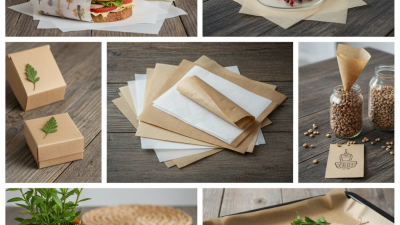
In the world of baking, the choice of bakery paper is crucial. It impacts not only the quality of baked goods but also the overall baking experience. As we look forward to 2026, global buyers must understand the various types of bakery paper available. Each type has unique characteristics and applications. For instance, parchment paper offers excellent non-stick surfaces, while greaseproof paper excels at moisture resistance.
Choosing the right bakery paper can sometimes feel overwhelming. Different regions have different standards and preferences. Some bakers prefer eco-friendly options, while others may focus on durability. This diversity presents a challenge for suppliers aiming to meet varied demands.
It is essential to make informed decisions when selecting bakery paper. Reliable products support better baking results. Buyers should seek recommendations from experienced bakers and review product performance. While trends evolve, understanding the core functions of bakery paper remains a constant. This knowledge empowers bakers to create consistently delicious results, driving satisfaction in kitchens worldwide.
Factors to Consider When Choosing Bakery Paper for Global Markets
When selecting bakery paper for global markets in 2026, several critical factors emerge. Sustainability is increasingly important. According to a recent report by Smithers Pira, the demand for eco-friendly packaging is expected to grow significantly, with 55% of consumers prioritizing sustainable materials. Papers made from recycled materials or biodegradable sources are gaining traction. This shift showcases not only environmental responsibility but also market adaptability.
Another vital factor is compatibility with diverse baking processes. Different baking methods require specific types of paper. For example, parchment paper is essential for high-temperature baking. Meanwhile, silicone-coated papers provide excellent non-stick properties. Understanding these requirements can help producers cater to various regional needs.
The geographic nuances must also be considered. In some regions, humidity levels can affect paper performance. Moisture resistance becomes essential in tropical climates to prevent degradation. Packaging dimensions must be adaptable. According to industry data, 30% of bakers prefer customized sizes to suit their production processes. This variability reveals the need for flexible manufacturing practices. Balancing these factors is crucial for ensuring product reliability and satisfying consumer demands.
Types of Bakery Paper and Their Uses in the Baking Industry
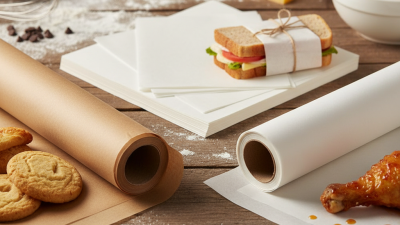
When it comes to baking, the choice of bakery paper significantly influences the final product. Different types serve distinct purposes in the baking process. Parchment paper is a favorite among bakers. It offers a non-stick surface ideal for cookies and pastries. Silicone-coated papers are also popular. They withstand high temperatures, making them perfect for cakes.
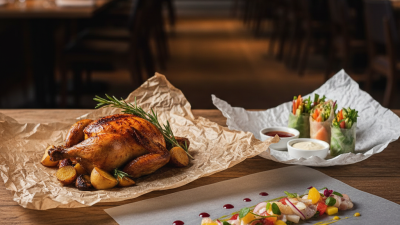
Greaseproof paper, on the other hand, is effective for wrapping baked goods. It helps maintain freshness while preventing greasiness. Kraft paper is another option. It's durable and eco-friendly, commonly used for packaging and serving. Each type of bakery paper plays a unique role in maintaining quality and efficiency.
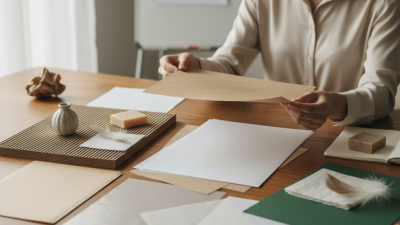
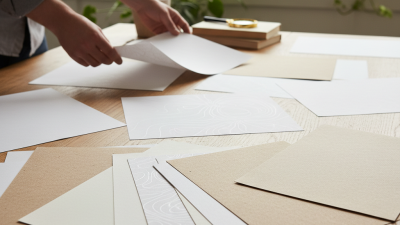
Here are some tips for selecting the right paper: always check for heat tolerance, especially for high-temperature baking. The thickness of the paper can affect baking results, so choose accordingly. Additionally, consider the end use of the baked product. Using the correct paper can enhance flavor and texture in the finished goods. Reflect on your needs and adjust your choices as necessary for optimal results.
Best Bakery Paper Types in 2026
Sustainability Trends in Bakery Paper for Eco-Conscious Buyers
The push for sustainability in the bakery paper industry is gaining momentum. Eco-conscious buyers are increasingly aware of the environmental impact of their choices. This trend leads to innovations in materials and production processes. Biodegradable and compostable options are replacing traditional, plastic-laden products.
Many manufacturers are exploring alternatives like sugarcane fibers and recycled paper. These materials offer similar functionality while reducing waste. Some papers can decompose in a matter of months. This critical shift meets the demand for sustainable packaging. However, the challenge remains in maintaining quality and performance.
An assessment of eco-friendly options often reveals mixed results. Not every sustainable paper performs well under all conditions. Some may not withstand high temperatures when baking, affecting usability. Therefore, buyers must research thoroughly and weigh their options. This makes the quest for the best sustainable bakery paper both exciting and complex.
Innovations in Bakery Paper Technology and Materials for 2026
In 2026, innovations in bakery paper technology are set to redefine the industry. The shift towards sustainable materials is gaining momentum. According to a recent report from Smithers Pira, the global market for eco-friendly bakery paper is projected to grow by 10% annually. This trend reflects the increasing demand for biodegradable and compostable products.
New production methods are emerging. These methods use plant-based coatings that improve moisture resistance. This development is significant in preserving the freshness of baked goods. Additionally, advancements in thermal performance and heat resistance are being reported. These enhancements allow for better baking results while maintaining product integrity.
Despite these progressions, challenges remain. Not all innovations meet the rigorous standards expected by bakers. Some papers still struggle with durability and performance under high temperatures. Continuous research is essential for creating high-quality, sustainable bakery papers. The balance between affordability and eco-friendliness will require ongoing reflection in the coming years.
Market Analysis: Demand for Bakery Paper Across Different Regions
The demand for bakery paper is growing in various regions around the world. Consumers are becoming more aware of the environmental impact of packaging. This shift is leading to an increase in demand for sustainable options. Regions like North America and Europe are seeing a surge in eco-friendly bakery products. Meanwhile, Asia-Pacific markets are focusing on traditional baking methods, which also heightens the need for quality bakery paper.
Tips for selecting bakery paper include considering its heat resistance and moisture barrier properties. It's essential to choose paper that can withstand temperatures while ensuring food quality. The thickness of the paper also matters; a thicker paper can hold more without tearing. Some manufacturers are experimenting with innovative materials. This evolution can impact both functionality and sustainability.
When evaluating options, always check for certifications. This reflects the paper's quality and safety standards. Discussions with suppliers can reveal useful insights about regional preferences. Understanding local trends enhances marketability and appeals to consumers. However, not all options are perfect; some may not perform well under specific conditions. Continuous evaluation is key to selecting the right bakery paper for your needs.
Best Bakery Paper for Global Buyers in 2026? - Market Analysis: Demand for Bakery Paper Across Different Regions
| Region |
Market Size (USD Million) |
Growth Rate (%) |
Key Trends |
| North America |
500 |
5.5 |
Sustainable materials, increased demand for organic products |
| Europe |
450 |
4.8 |
Health consciousness, eco-friendly packaging |
| Asia-Pacific |
600 |
7.2 |
Rising urbanization, growth of e-commerce |
| Latin America |
200 |
3.5 |
Expansion of bakery chains, changing consumer preferences |
| Middle East & Africa |
150 |
4.0 |
Innovation in packaging, increasing retail outlets |