10 Best Bakery Paper Options for Your Baking Needs?
In the world of baking, choosing the right bakery paper can make a significant difference. Expert baker Sarah Williams emphasizes, "Quality bakery paper is crucial for perfect results." This highlights the impact that proper materials have on the final product.
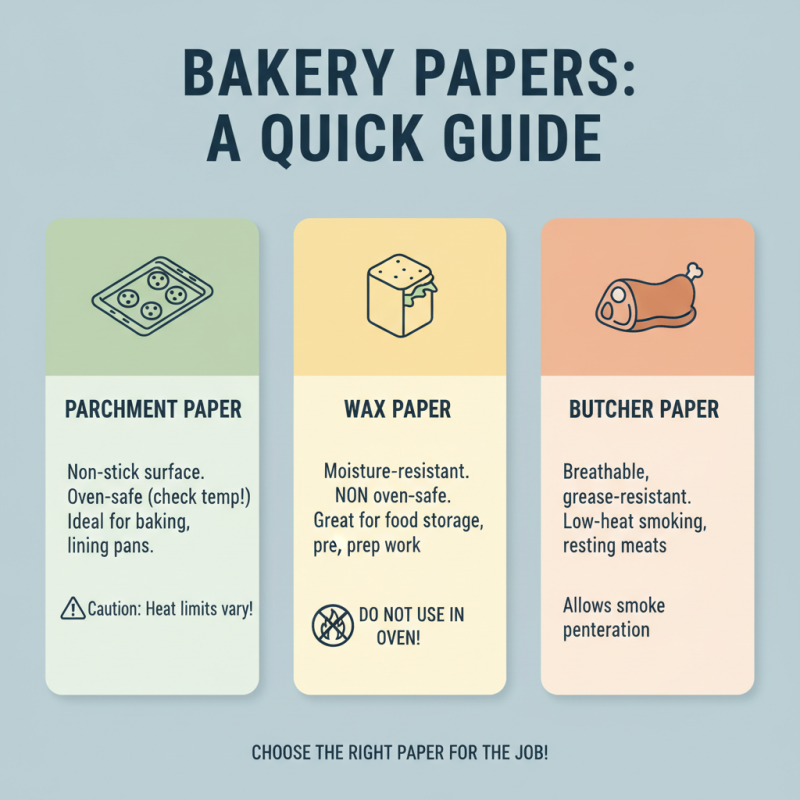
Bakery paper comes in various types, each designed for specific needs. For example, parchment paper is essential for lining baking sheets. It allows for easy release without sticking. In contrast, wax paper serves well for wrapping foods but should not be used in the oven.
Navigating through all these options can be overwhelming. Some papers are more versatile than others, leading to dilemmas when making a choice. Understanding the different materials will help streamline your baking process. Remember, the wrong choice could lead to burnt edges or a messy kitchen. In baking, every detail counts, including the bakery paper you choose.
Types of Bakery Paper: Understanding Your Options for Baking
Bakery paper comes in several types, each with unique features. Parchment paper is popular for its non-stick surface. It’s great for lining pans and baking cookies. However, not all parchment paper is created equal. Some may not withstand high heat, leading to disappointment.
Greaseproof paper is another option. It prevents fat from seeping through. This paper is ideal for pastries and cake layers. Yet, it can be fragile and tear easily. You might find that it doesn’t hold up well for heavier items.
Then there is wax paper, often confused with parchment. It’s coated with wax, making it moisture-resistant but not heat-safe. Many use it for cold items or wrapping sandwiches. It can be handy but may fail if exposed to high temperatures. Overall, understanding the right type of bakery paper can enhance your baking experience. It takes some experimentation, and sometimes, mistakes can lead to better outcomes in the kitchen.
Key Features to Consider When Choosing Bakery Paper
When choosing bakery paper, there are several key features to keep in mind. The thickness of the paper plays a crucial role in its durability. Thicker papers often withstand the heat better and can handle various baking tasks. Look for papers that are greaseproof. This prevents oils from seeping through, ensuring your baked goods remain intact and appealing.
Another important factor is the paper's non-stick properties. Non-stick surfaces make it easier to remove treats without damaging them. Baking parchment is a popular option due to its versatility. However, not all parchment is created equal. Some may warp or tear easily, which can lead to disappointment during baking. Consider how the paper is treated, as those with silicone coatings often perform better.
Lastly, size matters. Ensure the paper fits your baking trays or pans to avoid awkward folds. It’s not just about functionality; aesthetics are also important. A beautifully wrapped treat can elevate the presentation. Look for eco-friendly options, as sustainability is increasingly significant. Not all papers are created equal. Choosing the right one may require some trial and error. Always test a few different types to find what truly works for your baking style.
10 Best Bakery Paper Options for Your Baking Needs
| Bakery Paper Type |
Material |
Heat Resistance |
Oil Resistance |
Biodegradable |
Size Options |
| Parchment Paper |
Wood Pulp |
Up to 420°F |
Yes |
Yes |
12x16, 15x10 in. |
| Wax Paper |
Paper coated with Paraffin |
Not for baking |
Yes |
No |
12x12, 10x15 in. |
| Silicone Baking Mat |
Silicone |
Up to 450°F |
Yes |
Yes |
16x24, custom sizes |
| Brown Kraft Paper |
Kraft Paper |
Up to 400°F |
Yes |
Yes |
12x10, 14x20 in. |
| Aluminum Foil |
Aluminum |
Up to 600°F |
Yes |
No |
12x25, 18x12 in. |
| Freezer Paper |
Paper with Plastic Coating |
Not for baking |
Yes |
No |
18x24, 12x12 in. |
| Bleached Baking Paper |
Bleached Paper |
Up to 450°F |
Yes |
No |
8x8, 12x16 in. |
| Baking Cups |
Paper |
Up to 400°F |
Yes |
Yes |
Various sizes |
| Burger Wrap Paper |
Coated Paper |
Not for baking |
Yes |
No |
12x12, 10x10 in. |
Comparative Review of Popular Bakery Paper Brands
When considering bakery paper options, it's vital to compare popular brands to find the best fit. Industry reports indicate that approximately 65% of bakers prioritize greaseproof and parchment options for their needs. High-quality paper reduces the risk of sticking, ensuring a successful baking experience.
Baking paper types vary greatly in terms of heat resistance. Some can withstand temperatures above 450°F, while others may warp or degrade. This inconsistency can be problematic for professional bakers. It's important to verify the product specifications before purchasing.
Tip: Always conduct a simple test by baking a small batch with any new paper. This will help assess its performance.
Another consideration is the environmental impact of bakery paper. Reports show that around 80% of bakers are seeking eco-friendly choices. However, many papers labeled as "biodegradable" still take years to break down. This can make choosing environmentally responsible options challenging.
Tip: Look for certifications that confirm a product's eco-friendly claims.
In a field driven by both aesthetics and functionality, the choice of bakery paper can make or break your creations. So, examining your options with a critical eye is necessary for success.
Tips for Proper Usage and Storage of Bakery Paper
When using bakery paper, proper storage is key to effectiveness. Keep it in a cool, dry place. Avoid areas with high humidity or heat. If paper gets damp, it can lose its non-stick properties. Proper storage prolongs its lifespan and maintains functionality.
For usage, always cut the paper to fit your pan. It should be slightly larger than the base. This ensures that baked goods don’t stick. For extra safety, lightly grease the paper before pouring in batter. Some bakers find that a light sprinkle of flour helps too.
Be aware of how many times you reuse bakery paper. Overusing may compromise its quality. After a few bakes, consider switching to a fresh sheet. Keep an eye on the paper for any signs of wear, like tears or discoloration. These small steps make a big difference in baking success.
Sustainability in Bakery Paper Choices: Eco-Friendly Options
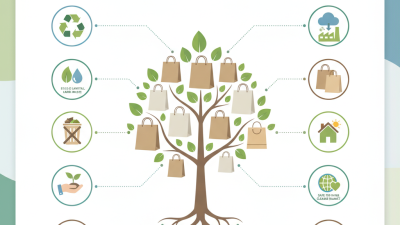
Sustainability is becoming increasingly important in our food packaging choices. Many bakers are seeking eco-friendly options for bakery paper. The market for sustainable packaging is projected to reach $500 billion by 2025. As awareness of environmental issues grows, so does the demand for responsible materials.
One popular choice is compostable paper. This material breaks down naturally, reducing waste in landfills. According to a recent report, compostable options can reduce environmental impact by over 30%. However, not all compostable papers perform equally in baking conditions, meaning bakers should test them for heat resistance and oil absorption.
Recycled paper is another viable alternative. It uses less energy and fewer resources than virgin paper. However, it may not always meet high safety standards. Some recycled papers can contain harmful chemicals, raising concerns. It's vital to check for certifications, ensuring safety and sustainability. Balancing performance and eco-friendliness can be tricky for bakers navigating these changes.