10 Essential Tips for Using Custom Printed Packaging Paper Effectively?
In today's competitive market, custom printed packaging paper has become essential for businesses. It serves not only as a protective layer but also as a means of branding. Companies need to recognize the impact of quality packaging on customer perception and loyalty.
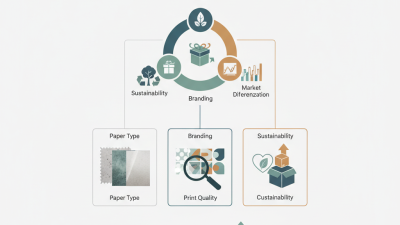
Using custom printed packaging paper effectively goes beyond mere aesthetics. It involves understanding your audience and what resonates with them. This material can convey your brand's story and values directly to the customer. However, it also requires careful planning and execution. Choosing the right design and print quality is crucial.
Often, businesses overlook the importance of functionality alongside visual appeal. Custom printed packaging paper should be durable and practical, meeting the demands of different products. Reflecting on these points can help avoid common pitfalls. A well-executed packaging strategy will enhance the overall customer experience and promote brand recognition.
Understanding the Importance of Custom Printed Packaging Paper
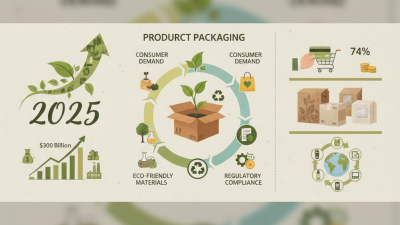
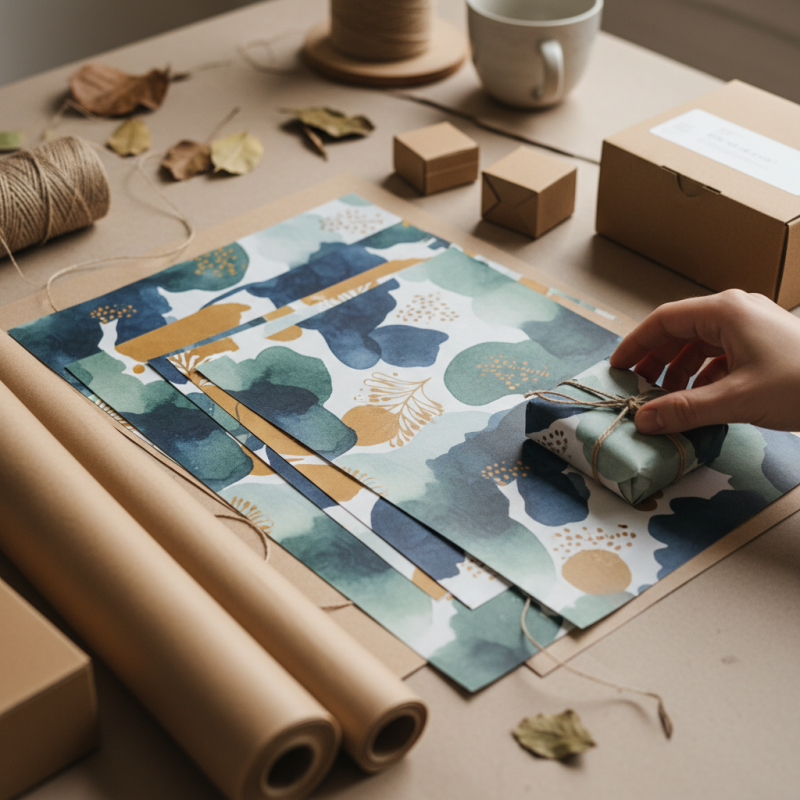
Custom printed packaging paper plays a crucial role in brand identity. According to a 2021 report by Packaging Strategies, 74% of consumers prefer packaging that reflects a brand's values. This highlights the need for businesses to invest in tailored packaging that resonates with their target audience. A well-designed package captivates buyers, making them feel connected to the brand.
The importance of custom packaging extends beyond aesthetics. Research from Smithers Pira shows that 54% of customers would pay more for products that are packaged sustainably. Brands that prioritize eco-friendly materials can enhance their image and boost customer loyalty. Yet, achieving this balance is challenging. Not all custom printed papers meet sustainability standards, and companies must be vigilant in choosing reliable suppliers. It may take time to find the right fit, but the investment is vital for long-term success.
Many businesses overlook the power of color and design in custom packaging. Studies suggest that color influences up to 85% of purchasing decisions. Even so, some brands stick with generic designs that fail to differentiate them. Custom printing offers the opportunity to create unique, memorable experiences that stand out on shelves. Reflecting on design choices can lead to enhanced customer engagement and, ultimately, increased sales.
10 Essential Tips for Using Custom Printed Packaging Paper Effectively
| Tip Number |
Tip Description |
Benefits |
| 1 |
Choose the Right Material |
Ensures durability and protection for products. |
| 2 |
Design with Your Brand in Mind |
Strengthens brand recognition and appeal. |
| 3 |
Incorporate Functional Elements |
Enhances user experience and usability. |
| 4 |
Use Eye-Catching Colors |
Attracts customer attention and interest. |
| 5 |
Think Eco-Friendly Options |
Appeals to environmentally conscious consumers. |
| 6 |
Incorporate Custom Sizes |
Optimizes space and reduces waste. |
| 7 |
Utilize Quality Printing Techniques |
Enhances visual appeal and professionalism. |
| 8 |
Keep Branding Consistent |
Builds trust and customer loyalty. |
| 9 |
Include Clear Messaging |
Communicates key information effectively. |
| 10 |
Test and Gather Feedback |
Facilitates improvement and innovation. |
Selecting the Right Material for Packaging Paper Needs
When selecting the right material for custom printed packaging paper, it's crucial to consider several factors. First, the type of product being packaged plays a significant role. For fragile items, thicker paper provides better protection. According to a 2022 industry report by Smithers, 70% of consumers prioritize packaging that does not compromise product safety. This highlights the importance of durable materials like kraft paper or cardboard.
Sustainability is another critical aspect. Over 60% of consumers are willing to pay more for eco-friendly packaging, as noted in a 2021 packaging trends study. Materials like recycled paper not only appeal to environmentally conscious customers but also help brands reduce their carbon footprint. However, sourcing such materials can sometimes be challenging. This necessitates careful supplier selection to ensure reliability and sustainability.
Cost considerations are always present. High-quality materials can be more expensive, but they often enhance brand perception. Lack of attention to material selection can lead to poor customer experience. Research suggests that 45% of customers feel dissatisfied when the packaging does not meet their expectations. Balancing quality, sustainability, and cost is vital for effective packaging strategies.
10 Essential Tips for Using Custom Printed Packaging Paper Effectively
Designing Eye-Catching Prints that Enhance Branding
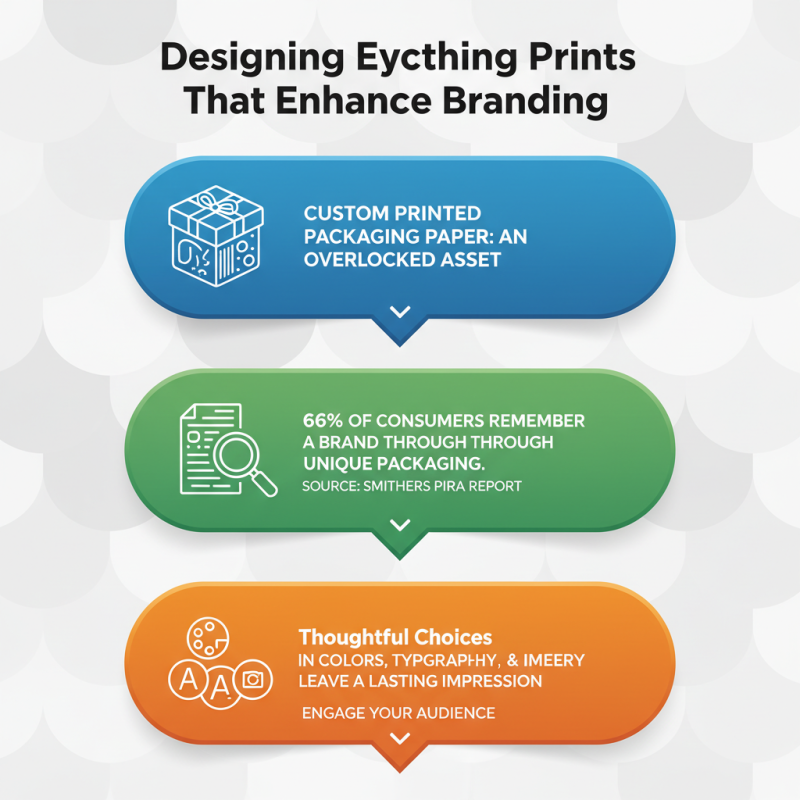
Custom printed packaging paper is an often-overlooked asset in branding. Eye-catching designs can significantly enhance a company's identity. According to a report by Smithers Pira, 66% of consumers remember a brand after seeing unique packaging. This emphasizes the importance of innovative and creative designs. Companies can engage their audience and leave a lasting impression through thoughtful choices in colors, typography, and imagery.
When designing prints, consider the psychology of colors. For instance, blue conveys trust, whereas red incites excitement. Utilizing these emotional triggers can align your packaging with your brand’s values. Ensure that the design is not only appealing but also functional. Poor clarity can lead to confusion. Studies indicate that 75% of consumers prefer packaging that is easy to understand. A balance between creativity and clarity is crucial.
Additionally, it’s essential to reflect on sustainability. Many consumers today favor brands with eco-friendly initiatives. A study by Nielsen found that 73% of millennials are willing to spend more on sustainable products. Therefore, using recyclable materials and minimal inks can resonate with environmentally conscious consumers. Ultimately, branding through custom printed packaging is a blend of art and strategy. Aim for designs that spark interest but also respect the target audience’s preferences and values.
Implementing Sustainability Practices in Custom Packaging
Sustainability is becoming a cornerstone in custom packaging. In fact, studies reveal that 73% of consumers prefer brands with sustainable practices. Using eco-friendly materials not only helps the environment but also builds brand loyalty. Custom printed packaging paper can effectively meet both these goals.
Tip: Choose biodegradable inks for your designs. These inks reduce harmful substances from entering our ecosystem. This simple switch can enhance your brand's image while minimizing environmental impact.
Implementing sustainable practices requires awareness. A report by the Ellen MacArthur Foundation highlights that only 9% of plastic is recycled globally. Custom packaging can pivot brands away from single-use plastics. Utilizing recycled or recyclable materials fosters a circular economy.
Tip: Design for reuse. Creating packaging that serves a secondary purpose extends its life cycle. This approach can attract environmentally-conscious consumers.
Remember, being sustainable doesn't mean sacrificing quality. Adapting to eco-friendly methods may require experimenting with new materials. Regular assessment of your packaging processes can reveal insights. Revisit your supplier relationships. Investing in sustainable suppliers may pay off in the long run.
Leveraging Packaging for Improved Customer Experience and Engagement
Custom printed packaging paper is a powerful tool for enhancing customer experience and engagement. When designed thoughtfully, packaging can evoke emotions. It can tell a brand story. Use colors and graphics that resonate with your target audience. This creates a sense of connection and familiarity.
The tactile experience also matters. Consider the texture of the paper. A smooth finish may feel premium, while a recycled texture can indicate sustainability. Both choices can impact how customers perceive your brand. Unboxing should be an enjoyable ritual. Take care to incorporate surprise elements, like unique patterns or unexpected messages. These small details can lead to memorable moments.
However, it’s essential to reflect on your choices. Not every design will resonate with every audience. Test different styles and gather feedback. Learn from customer reactions. This will help refine your approach. Packaging is a canvas for creativity, but it must also align with customer expectations. Balancing innovation with familiarity creates an engaging packaging experience.