Ultimate Tips for Choosing Custom Packaging Paper Solutions?
In today's competitive market, custom packaging paper plays a crucial role in a brand's success. A recent industry report indicated that 74% of consumers are more likely to purchase a product with attractive packaging. This statistic underscores the significance of choosing the right packaging solution. Custom packaging paper not only protects products but also enhances brand identity.
Experts recommend evaluating the material and design of custom packaging paper to achieve the desired impact. It's essential to consider sustainability. According to a 2023 survey, 67% of consumers prefer brands that adopt eco-friendly practices. Brands should reflect on how their packaging choice aligns with these values.
However, it's not just about aesthetics. Functionality is vital. Packaging must be durable enough to withstand shipping and handling. Many businesses overlook this key aspect, leading to damaged products and dissatisfied customers. Finding the right balance between design, sustainability, and durability is a common challenge. Ultimately, the choice of custom packaging paper can define a brand’s image and influence customer loyalty.

Understanding the Importance of Custom Packaging Paper Solutions
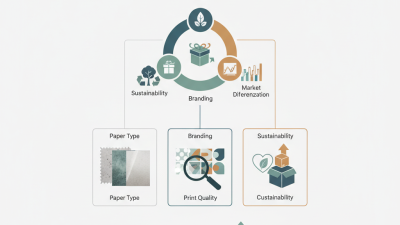
Custom packaging paper solutions play a crucial role in branding and sustainability. They serve not just as a protective layer but also as a canvas for your identity. A well-designed package can significantly enhance customer experience. It can convey your brand message effectively and promote a sense of trust.
When selecting custom packaging, consider the materials. Eco-friendly options are gaining traction. They not only appeal to environmentally-conscious consumers but also help reduce your carbon footprint. Balance aesthetics with functionality. A beautiful package should also serve its purpose in protecting the product.
Think about your audience. Tailor your packaging to their preferences and behaviors. It’s vital to test and get feedback. You might discover areas for improvement. Ultimately, the goal is creating a lasting impression. Fine-tuning your custom packaging can distinguish your products in the market. Choosing the right packaging is more than just a decision; it’s a strategy that requires thought and reflection.
Identifying Your Product's Unique Packaging Needs
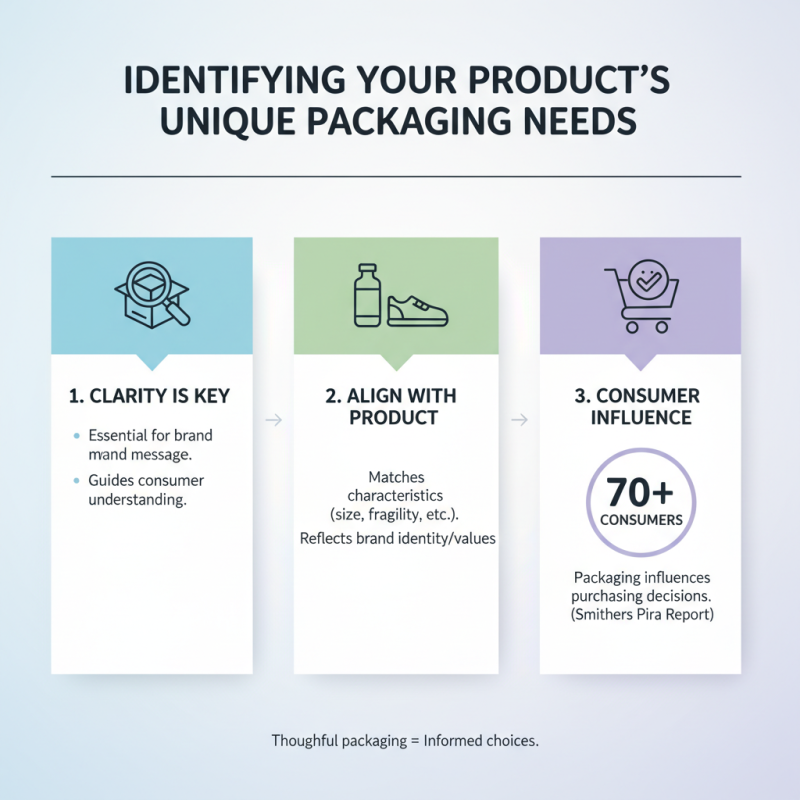
When identifying your product's unique packaging needs, clarity is essential. Packaging must align with your product's characteristics. According to a report by Smithers Pira, packaging design influences purchasing decisions for over 70% of consumers. This statistic highlights the importance of thoughtful packaging decisions tailored to specific products.
The type of packaging paper you choose can affect the product's safety and aesthetic appeal. For instance, lightweight options may suffice for non-fragile goods, while sturdier materials are necessary for fragile items. A study from the Paper and Packaging Board reveals that 40% of consumers would pay more for environmentally friendly packaging. This trend prompts a reflection on balancing sustainability and cost.
Additionally, understanding your target market's preferences is crucial. Some consumers appreciate minimalistic designs, while others favor vibrant and elaborate packaging. This divergence demands careful research. A packaging solution that works for one product may not suit another. Regularly reassess your packaging strategy to adapt to evolving market trends and consumer expectations.
Exploring Different Types of Custom Packaging Paper Materials
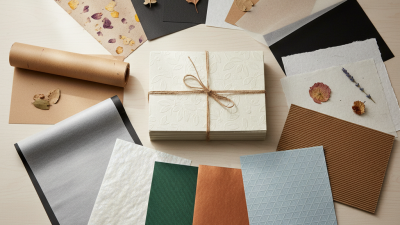
When selecting custom packaging paper, it’s essential to understand the materials available. Each option has unique characteristics that can impact your product’s protection and presentation. Recycled paper, for instance, is an eco-friendly choice. It comes from post-consumer waste. This option can appeal to environmentally conscious consumers.
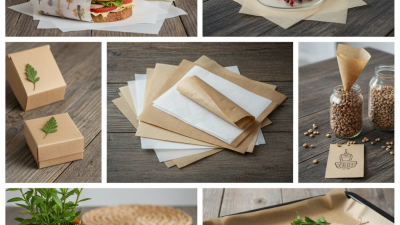
Kraft paper offers another reliable choice. It is sturdy and has a natural look. Its durability makes it ideal for heavier items. However, the appearance might not suit all brands. Consider the overall image you wish to convey. Additionally, specialty papers can provide unique textures and finishes. They can enhance the unboxing experience and make a strong impression.
As you explore your options, reflect on what truly meets your needs. Cost should not be the only factor. The right material should also align with your brand values. Experimenting with combinations of materials may lead to novel packaging solutions. Each type of paper has strengths and weaknesses. Finding the balance is critical for effective custom packaging.
Ultimate Tips for Choosing Custom Packaging Paper Solutions
Evaluating Design Options for Custom Packaging Paper
When evaluating design options for custom packaging paper, consider the materials closely. Each type impacts the unboxing experience. For example, kraft paper is eco-friendly and offers a rustic look. It’s durable but may not represent high-end products well. Sleek finishes, on the other hand, can enhance perceived value. Research indicates that design elements influence consumer perceptions significantly.
Colors and print quality matter significantly in custom packaging. Vibrant colors can attract attention, while muted tones convey elegance. However, printing can raise costs and complicate production. Reflect on how much your budget can accommodate. It's essential to balance aesthetics and functionality. The choice of fonts also plays a vital role. Too complex or ornate may distract from the central message.
Don't overlook the importance of sustainability in packaging design. Many consumers prefer environmentally friendly options. They appreciate brands that prioritize responsible sourcing. Yet, this trend raises questions about cost versus consumer expectations. Stay informed about new materials and technologies. This knowledge can guide you toward innovative solutions that align with your brand values.
Factors to Consider for Sustainable Packaging Solutions
When considering sustainable packaging solutions, it’s essential to evaluate several key factors. According to a study by Smithers PIRA, the global sustainable packaging market is predicted to reach over $400 billion by 2027. This demand highlights the importance of using eco-friendly materials that reduce environmental impact. Recycled content is a priority for many consumers, with a reported 70% preferring brands that utilize recycled packaging.
Biodegradability is another critical factor. Materials like plant-based plastics and compostable paper contribute to reducing waste. Research indicates that over 60% of consumers are willing to pay more for sustainable packaging options. However, not all biodegradable options are created equal. Some still require specific conditions to break down properly. It’s vital to understand these differences to make informed decisions.
Transparency in sourcing is also crucial. Brands should provide clear information about their materials. This builds trust and demonstrates a commitment to sustainability. Many businesses struggle with balancing cost and eco-friendliness. It's an ongoing challenge. Making the right choice is essential, as the impact of packaging extends far beyond the shelf life of a product. Staying informed and aware of evolving sustainable practices will guide companies in making better decisions for the environment.
Ultimate Tips for Choosing Custom Packaging Paper Solutions
| Factor |
Details |
| Material Type |
Consider using recycled or biodegradable materials to enhance sustainability. |
| Customizability |
Ensure the packaging can be tailored to fit specific product dimensions and branding needs. |
| Cost-Effectiveness |
Analyze budget constraints while ensuring quality materials are used. |
| Environmental Impact |
Choose options that minimize carbon footprint and promote eco-friendly practices. |
| Supplier Reputation |
Research supplier reliability and their commitment to sustainable practices. |
| Durability |
Ensure that the packaging can protect products during shipping and handling. |
| Aesthetic Appeal |
Select designs and finishes that enhance visual appeal and brand identity. |