In today's competitive marketplace, creating a compelling company paper is essential for attracting global buyers. Research indicates that nearly 79% of buyers conduct thorough research before making a decision. A well-structured company paper can significantly influence their choices. It must clearly present your business's strengths, values, and unique selling propositions.
Effective company papers provide clear information and relevant data. They should include industry benchmarks, like the Global Industry Analysts report, which projects a 5.4% growth in international trade over the next five years. Highlighting such statistics adds authority to your document. Additionally, incorporating testimonials or case studies can enhance credibility and foster trust.
However, many companies struggle with clarity and focus. They may create dense texts filled with jargon, making their key messages harder to grasp. Reflecting on past papers can identify these issues. Aiming for simplicity and engaging narratives is crucial. Incorporating visuals can also enhance understanding and retention, but they should support, not overshadow, the core message. Striking the right balance is key in communicating effectively and persuasively.

Understanding your target audience in global markets is crucial for crafting a successful company paper. Recent studies indicate that 73% of marketers prioritize audience insights over other variables when creating content. These insights can significantly shape the tone and structure of your communication. Global buyers come from diverse cultural backgrounds, making it essential to adapt your messaging to resonate with their unique values and preferences.
To identify your audience, consider their demographics, purchasing habits, and regional trends. For instance, data shows that 65% of consumers prefer localized content. This highlights the importance of language and cultural nuances in your message. Utilizing market research tools can provide valuable data, revealing insights such as primary purchasing motivations.
Feedback is equally important. Engaging with your audience through surveys or social media interactions can uncover their perceptions and expectations. This iterative process allows for continuous refinement of your strategy. However, be prepared for potential inconsistencies in feedback. Some preferences may evolve over time. Adapting accordingly is key for maintaining relevance.
| Market Segment | Key Demographics | Preferred Communication Channels | Cultural Considerations | Common Pain Points |
|---|---|---|---|---|
| E-commerce | Ages 18-35, Tech-savvy | Social Media, Email | High value on convenience and fast shipping | Price sensitivity, Digital security concerns |
| Healthcare | Ages 30-60, Health-conscious | Webinars, Email Newsletters | Emphasis on trust and reliability | Accessibility of information, High costs of care |
| Education Technology | Ages 25-45, Educators and Administrators | Online Forums, Email | Focus on innovation and results | Budget constraints, Resistance to change |
| Manufacturing | Ages 35-55, Engineers and Managers | Trade Shows, Email | Value practicality and efficiency | Operational downtime, Regulatory compliance |
| Financial Services | Ages 30-50, Investors and Analysts | Webinars, Financial Journals | Concerns regarding market volatility | Information overload, Trust in data sources |

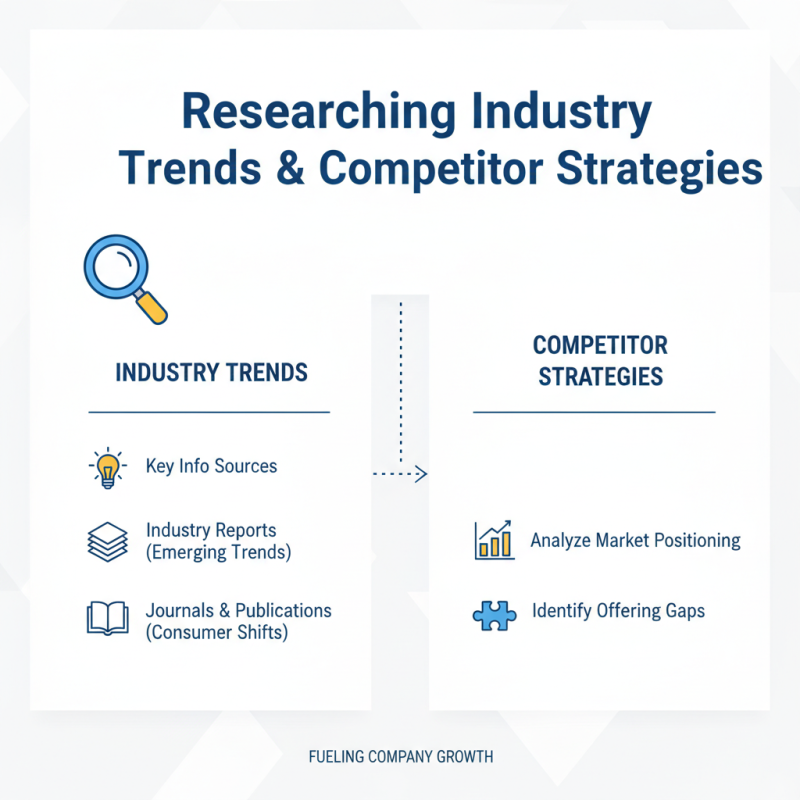
Researching industry trends is crucial for creating a compelling company paper. Begin by identifying key sources of information. Industry reports provide valuable insights into emerging trends. Journals and trade publications highlight shifts in consumer behavior. Analyze competitor strategies to understand market positioning. This can reveal gaps in your own offerings.
Utilize online tools to track competitor activities. Social media platforms can show how competitors engage with their audience. Pay attention to customer feedback on these channels. It’s also useful to participate in relevant webinars. These events allow direct interaction with industry experts. Gathering insights from varied sources fosters a comprehensive understanding.
However, don’t solely rely on secondary research. Engaging directly with customers can uncover hidden desires and pain points. Surveys can provide quantifiable data, while interviews offer deeper narratives. The process may reveal unexpected challenges. Reflection on these findings is essential. Adapt and innovate based on what you learn.
Crafting an engaging company story is vital for attracting global buyers. Start by identifying your core values. What makes your company unique? Reflect on your journey. Describe the challenges you've faced. This authenticity connects with potential customers. Stories resonate; they evoke emotions. Use vivid language. Highlight key moments that shaped your brand.
Consider your value proposition next. It should clearly articulate the benefits you offer. Buyers want to understand why they should choose you. Focus on how your product or service addresses their needs. Use relatable examples. If you provide a solution, show its impact. Use metrics when possible. This adds credibility.
Finally, be open about your growth. Share lessons learned along the way. This vulnerability can build trust. A perfect company story doesn't exist. Embrace your imperfections. It shows commitment to improvement and fosters a genuine connection with your audience. Your narrative, combined with a strong value proposition, will resonate with global buyers.
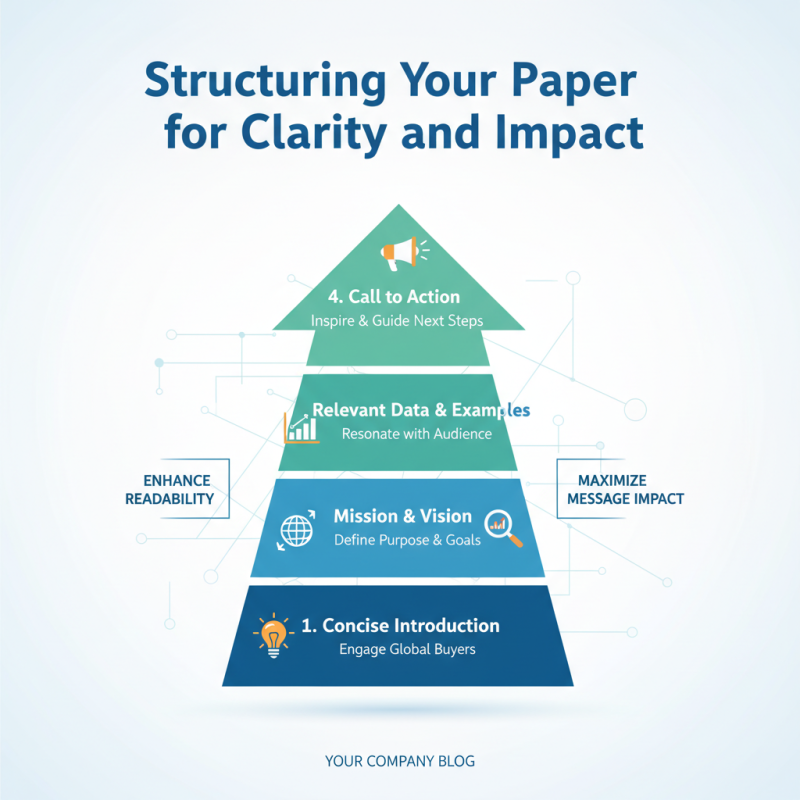
Writing a compelling company paper requires careful structuring. A clear format enhances readability and impacts your message. Start with a concise introduction. Define your company's mission and vision to engage global buyers. Use relevant data and examples that resonate with your audience.
Tips: Focus on key points. Avoid jargon that may confuse readers. Create subsections with headings to guide readers through the paper. Use bullet points for important information. Visual elements can help illustrate complex ideas.
Next, the body should maintain clarity and flow. Use short paragraphs to keep the reader's attention. Each paragraph should serve a clear purpose. For example, discuss unique selling propositions and how they align with market needs. Be honest about challenges. Acknowledge any areas needing improvement or refinement. This builds trust and credibility.
Finishing with a strong conclusion leaves a lasting impression. Summarize main points without introducing new ideas. A well-crafted paper can significantly enhance your appeal to global buyers. Make sure to revise and seek feedback to perfect your document.
Visuals and data play a crucial role in crafting a compelling company paper. Engaging images can capture attention quickly. Infographics simplify complex information, making it easier for global buyers to understand key points. Each visual should align with your message. Use pie charts to illustrate market share or bar graphs for financial projections. These elements enhance credibility.
Data-driven insights are powerful. They provide evidence to support claims made in your paper. When highlighting market trends, reference credible sources. A well-chosen statistic can be more persuasive than lengthy descriptions. Context is everything; explain why the data matters to the reader.
Even with strong visuals, it’s essential to reflect on your approach. Too many images can overwhelm rather than inform. Ensure that each visual complements the text. Additionally, revisit your data regularly. Outdated information can harm your reliability and authority. Balancing aesthetics with clarity is key. Aim for improvement in each draft. Seek feedback to identify areas for refinement.