What Are the Best Tips for Using Brown Paper in Packaging?
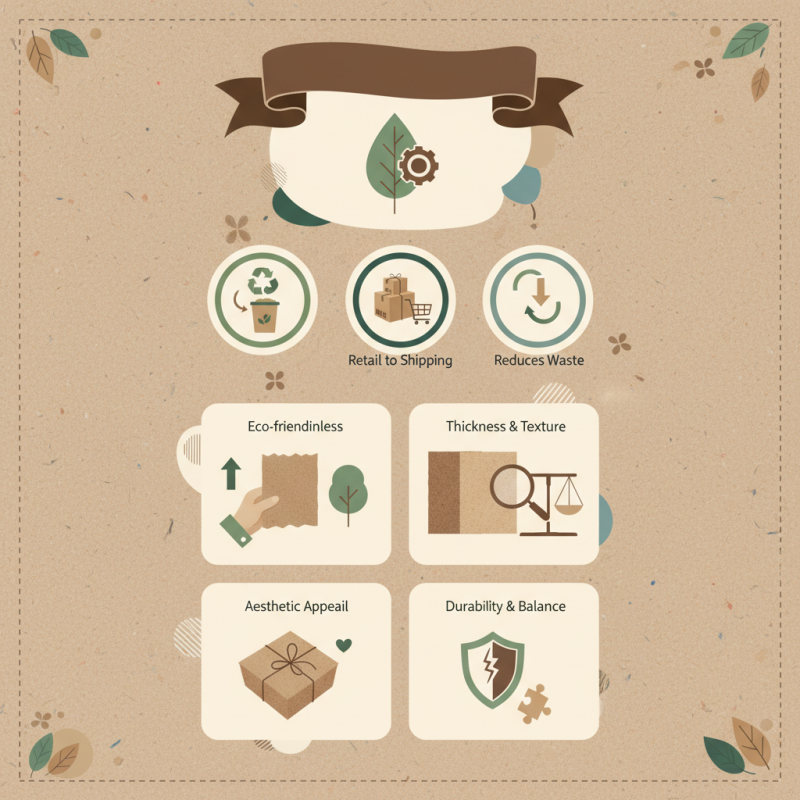
Brown Paper is gaining traction as a sustainable packaging material. Its versatility makes it suitable for various industries. From retail to shipping, using Brown Paper can significantly enhance your packaging strategy.
When considering Brown Paper, think about its eco-friendliness. This material is biodegradable and recyclable. It reduces waste in landfills. However, the thickness and texture can vary. Choose the right type for your needs. Test different options to find what works best.
Brown Paper has a unique aesthetic appeal. It offers a rustic, natural look that many consumers love. Yet, some may find it less durable than plastic. Finding a balance between appearance and durability is essential. Reflect on your choices to maximize the benefits of Brown Paper.
Understanding the Properties of Brown Paper for Packaging Use
Brown paper is a versatile material widely used in packaging. Its properties make it an excellent choice for various applications. Brown paper is biodegradable and recyclable, making it an environmentally friendly option. It is also strong, providing good protection for items during shipping or storage. The texture of brown paper lends itself well to printing and custom designs, enhancing product presentation.
Using brown paper effectively requires understanding its limitations. While it is durable, heavy items may require additional support. Moisture can weaken brown paper, so it's vital to keep it dry. The paper can tear or wrinkle if not handled correctly. Packaging efficiency can be compromised if the paper is not cut or folded properly. Learning the right techniques is crucial for achieving the best results.
Experimenting with brown paper can lead to improved packaging solutions. Think about the dimensions of your products. Custom-sized brown paper can reduce waste and enhance safety. Consider layering multiple sheets for extra strength. With practice, you can master the art of using brown paper in your packaging designs, though it may take time to perfect your approach.
Selecting the Right Type of Brown Paper for Your Packaging Needs
Choosing the right type of brown paper is essential for effective packaging. Different applications require different types. For instance, kraft paper is known for its durability and tear resistance. It's great for shipping items securely. However, it may not provide the best presentation for high-end products.
When selecting brown paper, consider the weight you need. Lightweight options are ideal for wrapping small gifts. Heavier grades can support more substantial items. Additionally, think about the finish you prefer. A smooth finish looks polished, while a more textured paper adds a rustic charm.
It’s also important to reflect on your environmental impact. Some brown papers are recyclable, while others may contain harmful coatings. Assessing these factors will help you make a responsible choice. Not every type of brown paper suits every product, so be prepared to experiment.
Brown Paper Usage in Packaging
Effective Techniques for Cutting and Folding Brown Paper
Cutting and folding brown paper effectively can transform your packaging. Start by using a sharp craft knife or scissors for clean cuts. A metal ruler can guide your cuts, ensuring straight lines. It's easy to make mistakes. Measure twice and cut once. This old adage applies here, as precision is crucial for a professional look.
When folding brown paper, score the lines gently with a blunt edge. This technique creates sharp, clean folds. You can use a bone folder for this task. If you don’t have one, a flat-ended tool works too. Be mindful, though; too much pressure can tear the paper. Gently bending it while folding may help prevent this issue.
Experimenting with the paper's texture can also yield creative results. Wrinkled or crinkled paper adds depth to your packages. But remember, not every wrinkle is beautiful. Take a moment to refine your technique as you work. Ideas may evolve through practice, leading to unique and effective packaging solutions.
Enhancing Brown Paper Packaging with Eco-Friendly Additions
Brown paper packaging has gained popularity for its versatility and eco-friendliness. To enhance this packaging, consider adding natural elements like jute twine or dried flowers. These additions not only improve aesthetics but also promote sustainability. Using biodegradable materials strengthens your commitment to the environment.
Another effective method is using soy-based inks for printing. These inks are less toxic and more eco-conscious than traditional options. Moreover, consider implementing a minimalist design approach. Simple, clean graphics can keep the focus on the eco-friendly aspects of the packaging.
However, the challenge lies in balancing functionality and style. Sometimes, packaging becomes overly complex. It’s crucial to reflect on how each element serves a purpose. Maintaining the integrity of the product while ensuring a delightful unboxing experience can be difficult yet rewarding. Embracing imperfection in this process can lead to innovative solutions.
Creative Ideas for Customizing Brown Paper Packaging for Branding
When it comes to packaging, brown paper offers a unique canvas for branding. It’s not just eco-friendly but also versatile. According to a 2022 report by Smithers, sustainable packaging is projected to reach $1.2 trillion by 2027. This shift is creating a demand for materials like brown paper, which consumers increasingly associate with authenticity and quality.
Customizing brown paper packaging can elevate a brand. Simple techniques such as stamping or hand-drawing make packages stand out. Creative use of twine or natural ribbons adds a rustic touch. Research shows that 62% of consumers feel more positive about brands using sustainable materials. The tactile nature of brown paper enhances the unboxing experience, fostering a deeper connection between the product and the consumer.
However, there are challenges. Maintaining consistent quality across batches can be tricky. It’s essential to ensure that the paper can withstand the shipping process without tearing. Balancing aesthetics with functionality requires thoughtful design. Reflecting on these aspects can lead to improved customer satisfaction and brand loyalty, which is invaluable.
What Are the Best Tips for Using Brown Paper in Packaging?
| Tip | Description | Customization Ideas | Sustainability Benefits |
| Use Natural Brown Paper | Opt for unbleached, natural brown paper for a rustic look. | Print your logo directly on the paper or use stamps for unique patterns. | Biodegradable and compostable, reducing environmental impact. |
| Layering Technique | Use multiple layers for added strength while maintaining a lightweight feel. | Incorporate decorative elements like patterned tissue or colored ribbons between layers. | Reduces the need for additional packing materials. |
| Creative Wrapping Techniques | Explore various folding methods, such as origami-inspired designs. | Use colored twine or natural jute to add a touch of elegance. | Encourages reusability of the wrapping material. |
| Add Personal Touches | Include handwritten notes or tags for a personal connection. | Create custom labels with your brand story or message. | Supports local artisans and sustainable practices. |
| Use as a Canvas | Let your creativity flow by painting or drawing on the paper. | Incorporate seasonal designs or themes related to your products. | Encourages artistic expression while being eco-friendly. |